
7 Ayurvedic Superfoods to Support Your Health This Winter
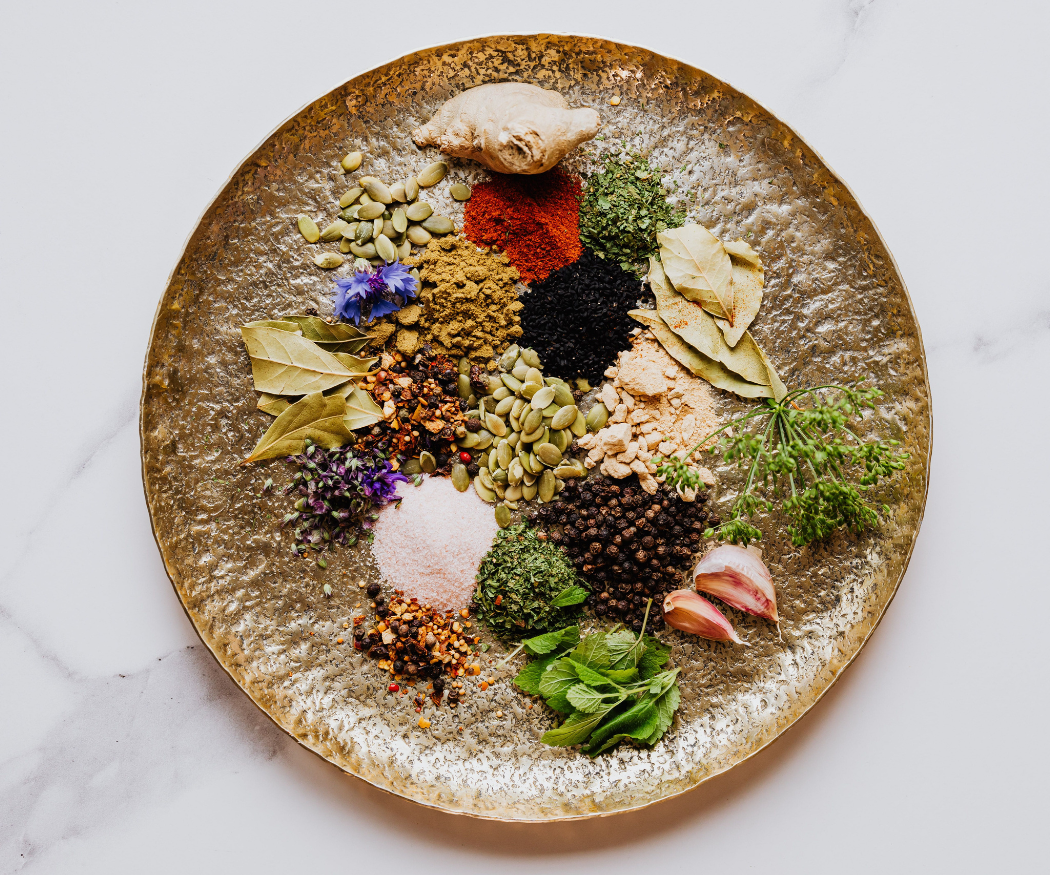
As the colder months settle in, winter invites us to slow down, rest more deeply and nourish ourselves with warmth from within.
In Ayurveda, our health is deeply influenced by the changing seasons. Winter (Hemanta and Shishira Ritu) brings qualities of cold (śīta), heaviness (guru) and, particularly in windy climates, dryness (rukṣa). While the digestive fire (Agni) is naturally stronger during winter, the cold weather, reduced movement and richer foods can also contribute to sluggish digestion, congestion and the gradual accumulation of Kapha if we don't adapt our diet and lifestyle.
One of the simplest ways to stay balanced throughout winter is through food.
Warm, freshly prepared meals, digestive spices and seasonal produce help kindle Agni, reduce the build-up of Ama (undigested metabolic waste), support healthy immunity and promote steady energy throughout the season.
Here are seven Ayurvedic winter ‘superfoods’ we love incorporating into our kitchens during the colder months.
-
Fresh ginger is one of Ayurveda’s most celebrated kitchen medicines and an essential winter staple.
It gently stimulates Agni, encourages healthy circulation and helps reduce the cold, damp qualities that often accompany winter.
It is important to distinguish fresh ginger (Ardraka) from dry ginger (Shunthi). Classical Ayurvedic texts describe fresh ginger as being more moist and nourishing, while dry ginger is lighter, drier and more intensely heating.
Ayurvedic Properties
Rasa (Taste): Pungent
Virya (Energy): Heating
Vipaka (Post-digestive Effect): Sweet
Gunas (Qualities): Heavy
(Guru), Unctuous/Moist
(Snigdha), Sharp (Tikshna)
Doshic Action
Fresh ginger helps balance Kapha and Vata, particularly where there is sluggish digestion, reduced appetite, congestion or coldness. Those with significant Pitta aggravation or reflux may benefit from using smaller amounts.
Enjoy it
Fresh ginger tea
Soups and broths
Dhal and curries
Stir-fries
Cooking ginger in a small amount of ghee helps extract its aromatic compounds while acting as an Anupana - a nourishing carrier that supports the delivery of herbs and spices throughout the body’'s tissues.
-
Turmeric has been treasured in Ayurveda for thousands of years for its ability to support digestion, circulation and healthy inflammatory responses. It is particularly valued for reducing Ama while helping maintain healthy respiratory and immune function during winter.
Ayurvedic Properties
Rasa: Bitter, Pungent
Virya: Heating
Vipaka: Pungent
Gunas: Light (Laghu), Dry (Ruksha)
Doshic Action
Balances all three doshas but is particularly effective at reducing excess Kapha and supporting healthy metabolism.
Enjoy it
Golden milk
Soups
Vegetable curries
Lentil dishes
For optimal absorption, sauté turmeric briefly in ghee with black pepper before adding the remaining ingredients.
-
Cinnamon is one of Ayurveda’s classic winter spices. Its warming nature stimulates digestion, encourages circulation and helps counteract the cold, damp qualities of the season.
Ayurvedic Properties
Rasa: Sweet, Pungent, Astringent
Virya: Heating
Vipaka: Sweet
Gunas: Light, Dry, Sharp
Doshic Action
Excellent for reducing Kapha while gently supporting Vata and strengthening Agni.
Enjoy it
Stewed apples or pear Porridge
Herbal teas
Roasted vegetables
Slow-cooked curries
-
Mustard seeds are one of Ayurveda’s most effective digestive spices. Their penetrating, warming qualities help awaken digestion, clear stagnation and support healthy respiratory function throughout winter.
Ayurvedic Properties
Rasa: Pungent, Bitter
Virya: Heating
Vipaka: Pungent
Gunas: Light, Sharp, Penetrating
Doshic Action
Strongly reduces Kapha, stimulates sluggish digestion and promotes healthy circulation.
Enjoy it
Temper mustard seeds in a teaspoon of ghee before adding vegetables, soups, dhal or curries.
-
Cooked leafy greens such as kale, mustard greens, fenugreek (methi) and silverbeet provide
valuable minerals while helping lighten the heaviness that can develop during winter.
Ayurveda generally recommends enjoying leafy greens cooked rather than raw during the colder months, making them easier to digest and less likely to aggravate Vata.
Ayurvedic Properties
Rasa: Bitter, Astringent
Virya: Generally Cooling
Gunas: Light, Dry
Doshic Action
Their bitter and astringent qualities naturally reduce Kapha, particularly when cooked with warming digestive spices.
Enjoy it
Lightly sautéed in ghee with cumin, ginger and garlic, or added to soups and dhal.
-
Seasonal root vegetables such as carrots, turnips, radishes and parsnips provide nourishing,
grounding energy during winter while remaining supportive of digestion when prepared appropriately.
Rather than eating them plain, Ayurveda recommends combining them with warming spices to improve digestibility and help prevent heaviness.
Ayurvedic Properties
Rasa: Predominantly Sweet with varying pungent notes
Virya: Best enjoyed warm and cooked
Gunas: Grounding and nourishing
Doshic Action
Support Vata while remaining suitable for Kapha when roasted or slow-cooked with digestive spices such as ginger, cumin, mustard seed and black pepper.
Enjoy it
Roasted with turmeric, cumin and black pepper, finished with a small drizzle of warm ghee.
-
Known as the ‘‘Queen of Herbs’’ Tulsi has been used for centuries to support respiratory health, digestion and resilience during seasonal change.
Its aromatic, warming nature makes it one of the most valuable herbs to enjoy throughout winter.
Ayurvedic Properties
Rasa: Pungent, Bitter
Virya: Heating
Vipaka: Pungent
Gunas: Light, Dry
Doshic Action
Excellent for reducing Kapha, supporting the lungs, promoting mental clarity and strengthening natural immunity.
Enjoy it
As a warming herbal tea throughout the day, particularly during periods of congestion or seasonal illness.