

Browse All Blog Posts
RECIPES LIFESTYLE & WELLNESS BEAUTY
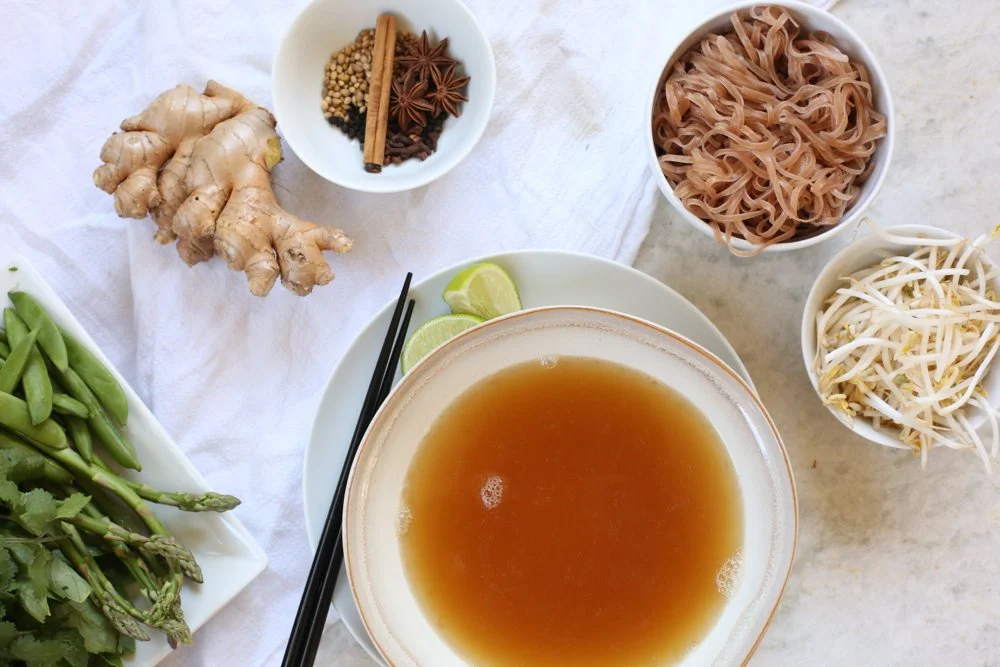
Ease into summer with this Ayurvedic Spring Pho. A warming, detoxifying broth with fresh herbs that balances Kapha, Pitta and Vata.
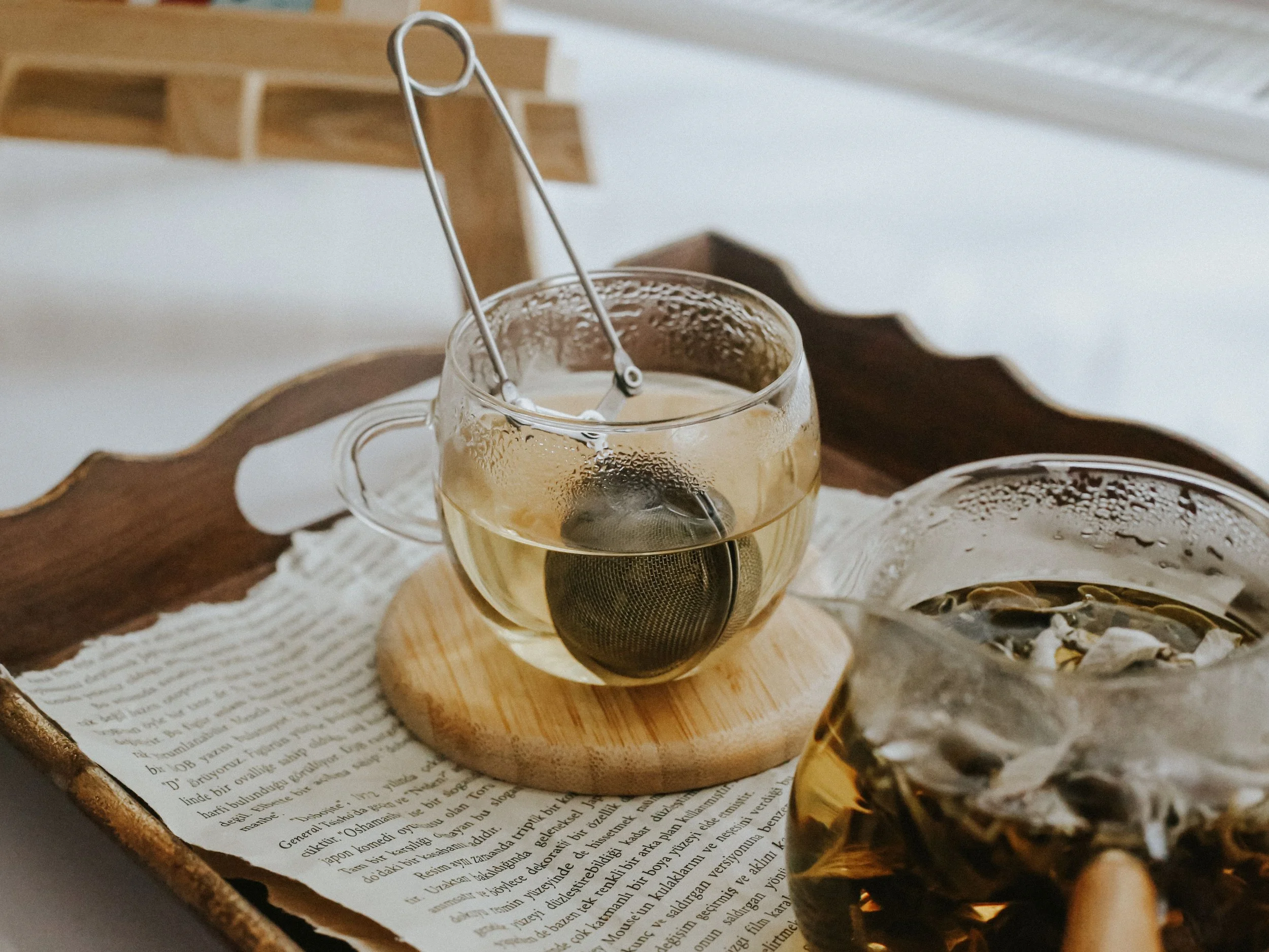
Warming ginger, fennel, coriander and cardamom come together in a soothing blend to gently refresh and rebalance as we welcome the new season.
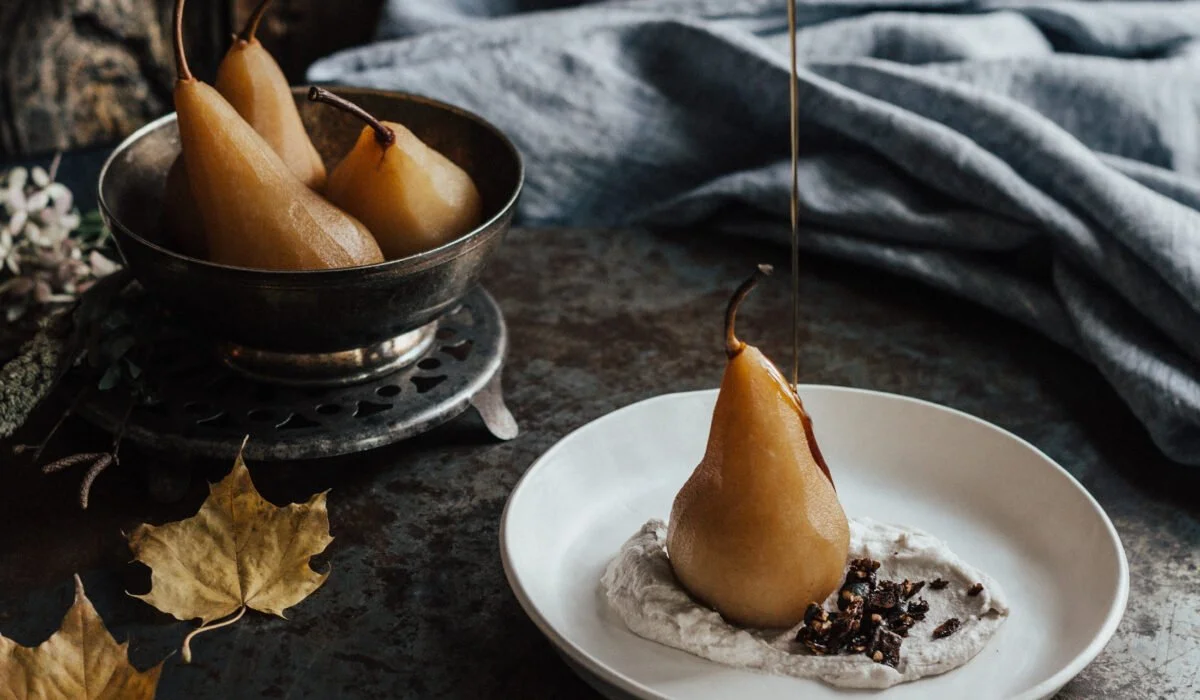
Warm chai poached pears with cinnamon, cardamom and ginger- a comforting Ayurvedic dessert to support digestion and balance during winter.
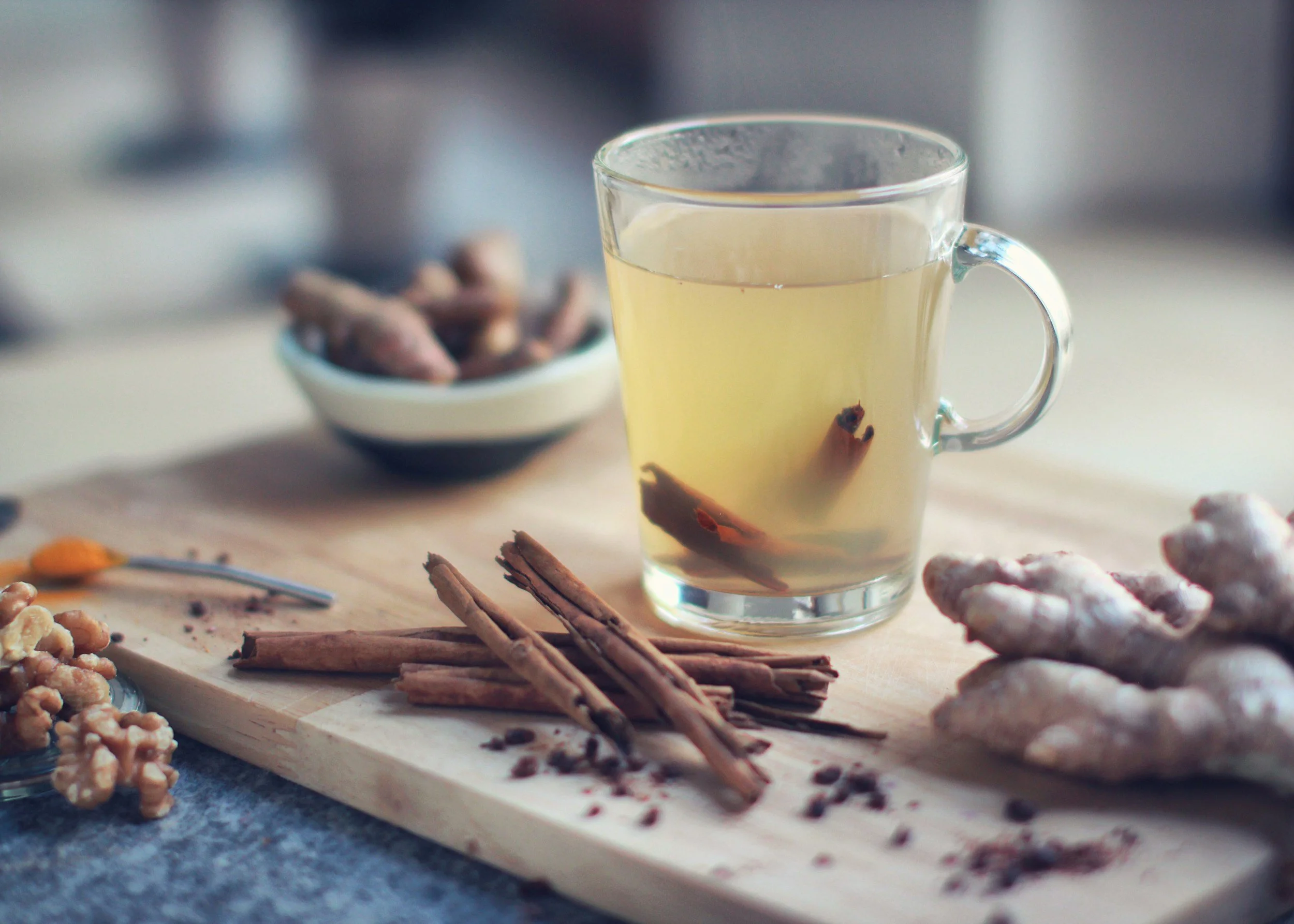
This tea is designed to enkindle the agni (the digestive fire, metabolism) during winter - balanced agni means balances dhatus (tissues) and robust immunity and strong ojas (vitality).

A grounding autumn recipe to support digestion and nourishment. Made with gentle spices and easy to digest ingredients, it’s a beautiful meal to restore warmth and steadiness.
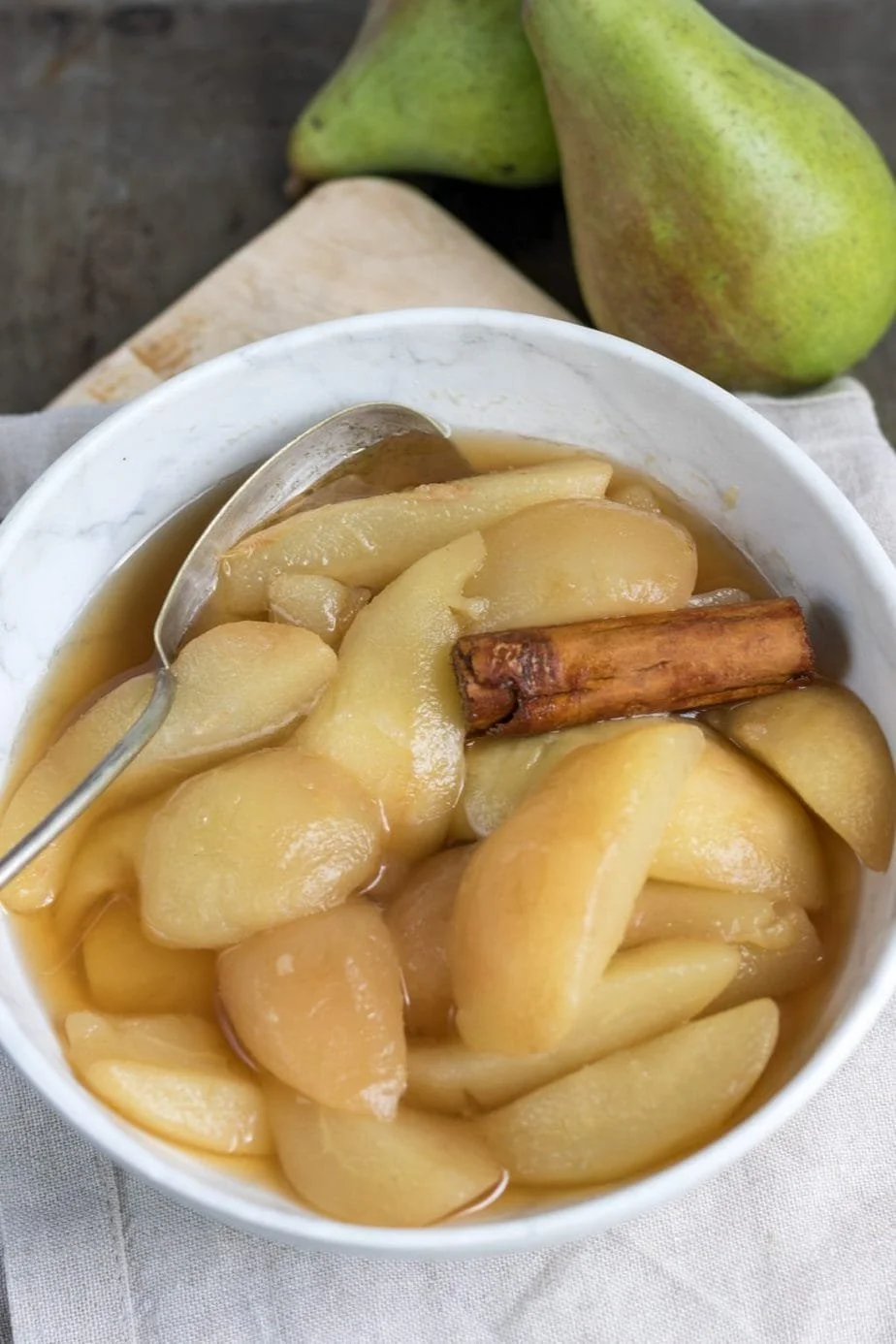
Vata Balancing Recipe. Stewed Pears with Cardamom & Ginger. A gentle Ayurvedic recipe for grounding and supporting digestion.
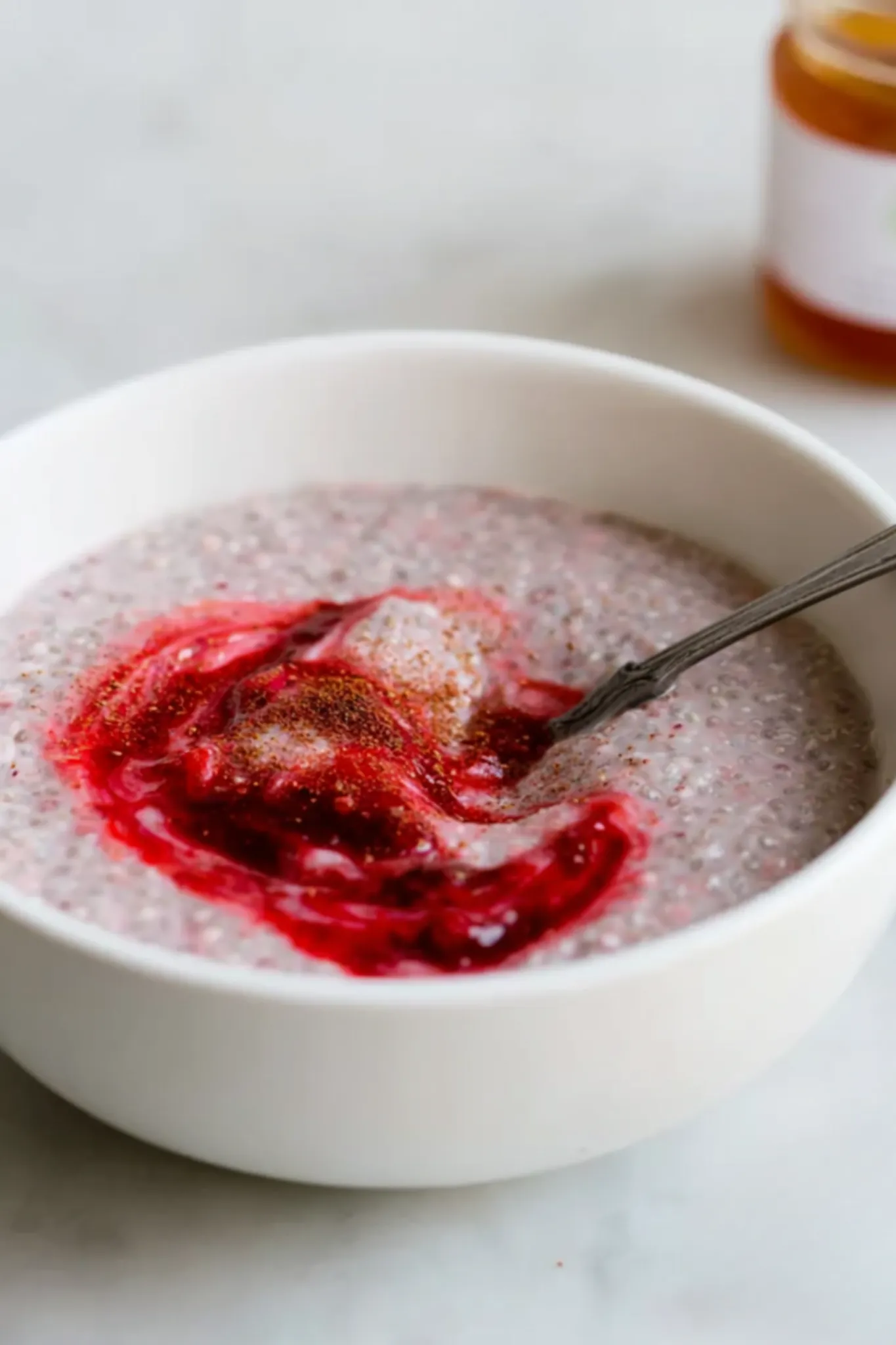
This gentle pudding is a beautiful cooling dish for warm days when the body needs light yet sustaining nourishment. In Ayurveda, coconut and rose are both deeply calming and cooling to the system, helping to soften internal heat, soothe digestion and settle the mind.
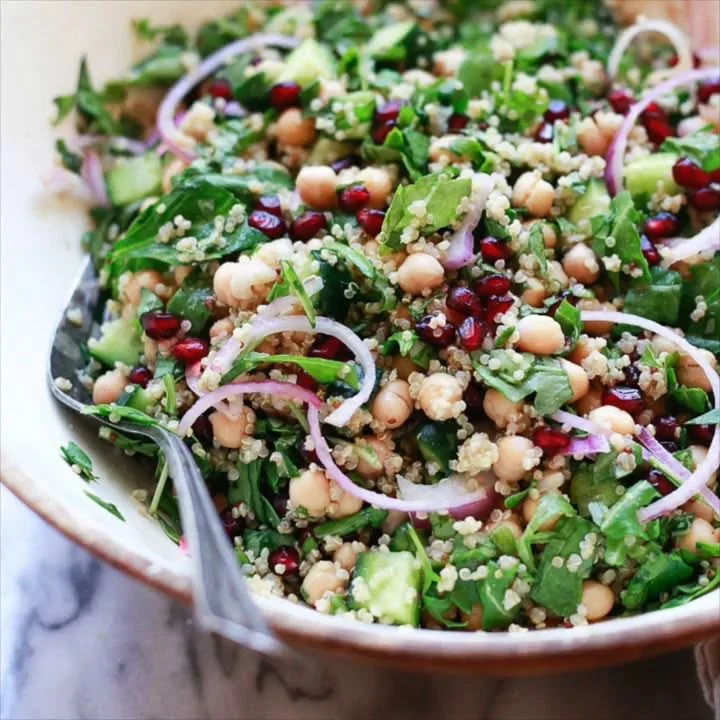
This salad is a cooling, nourishing, and balancing meal for warm summer days. With quinoa as a grounding base and chickpeas for sustaining energy, it supports digestion and keeps you feeling light yet satisfied. Bright, fresh ingredients like pomegranate, cilantro, and lime provide natural sweetness and freshness, helping to balance heat and promote clarity of mind.
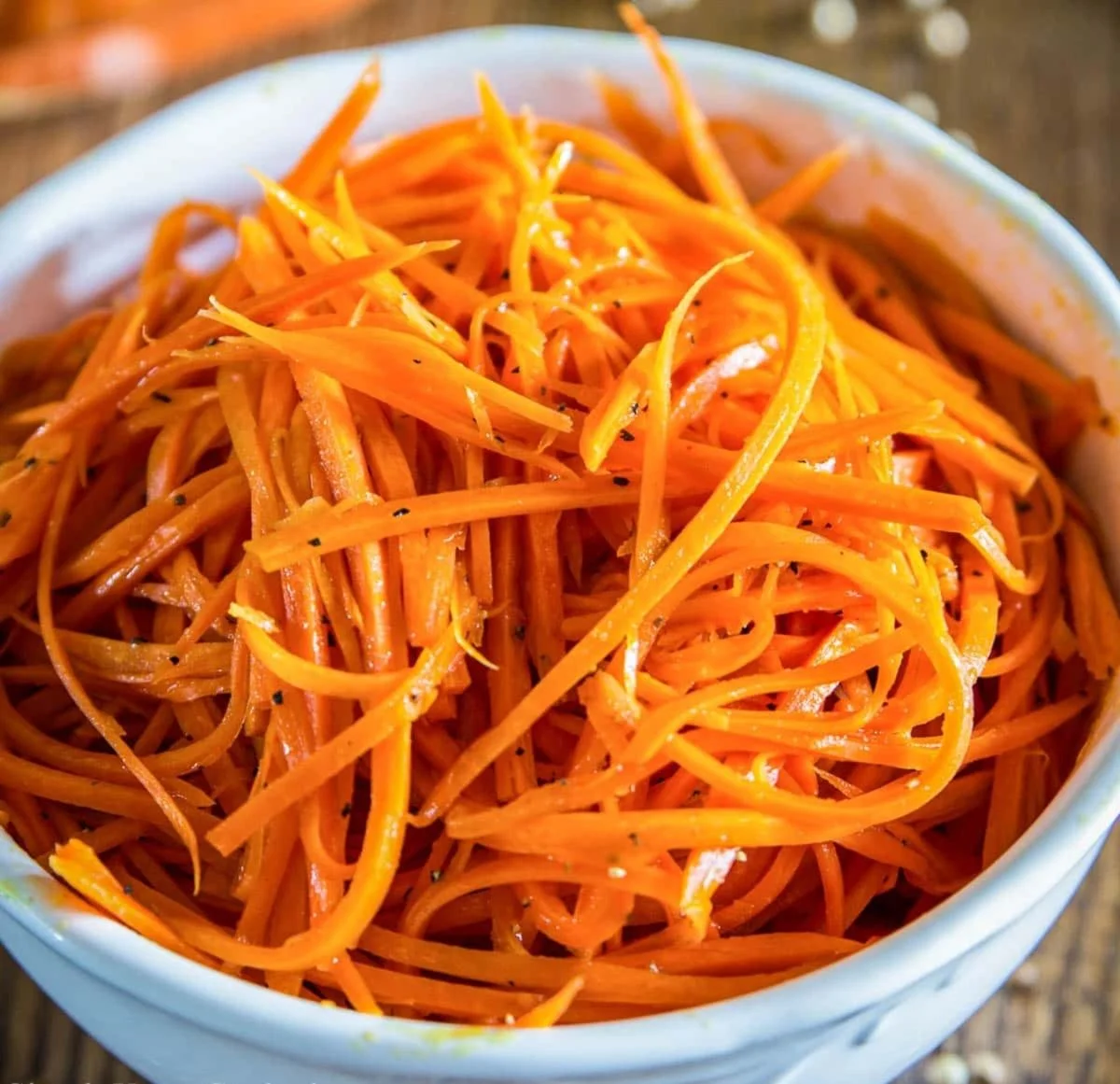
As the days lengthen and the air grows warmer, spring invites us to awaken and refresh our digestion. This simple carrot-raisin salad is light, invigorating, and especially supportive for balancing Kapha energies in the body. Its warming spices and zesty lemon awaken the appetite, encourage digestion, and reduce heaviness.

As winter softens into spring, nature calls us to shake off heaviness, reawaken our energy, and embrace new beginnings. In Ayurveda, this is a time to lighten the diet, stoke digestive fire, and gently invite warmth back into the body. This Spring Ginger Spice Cake is inspired by an old-fashioned recipe but adapted for the season — spiced, light, and brightened with a lemon-honey glaze that carries the promise of spring.
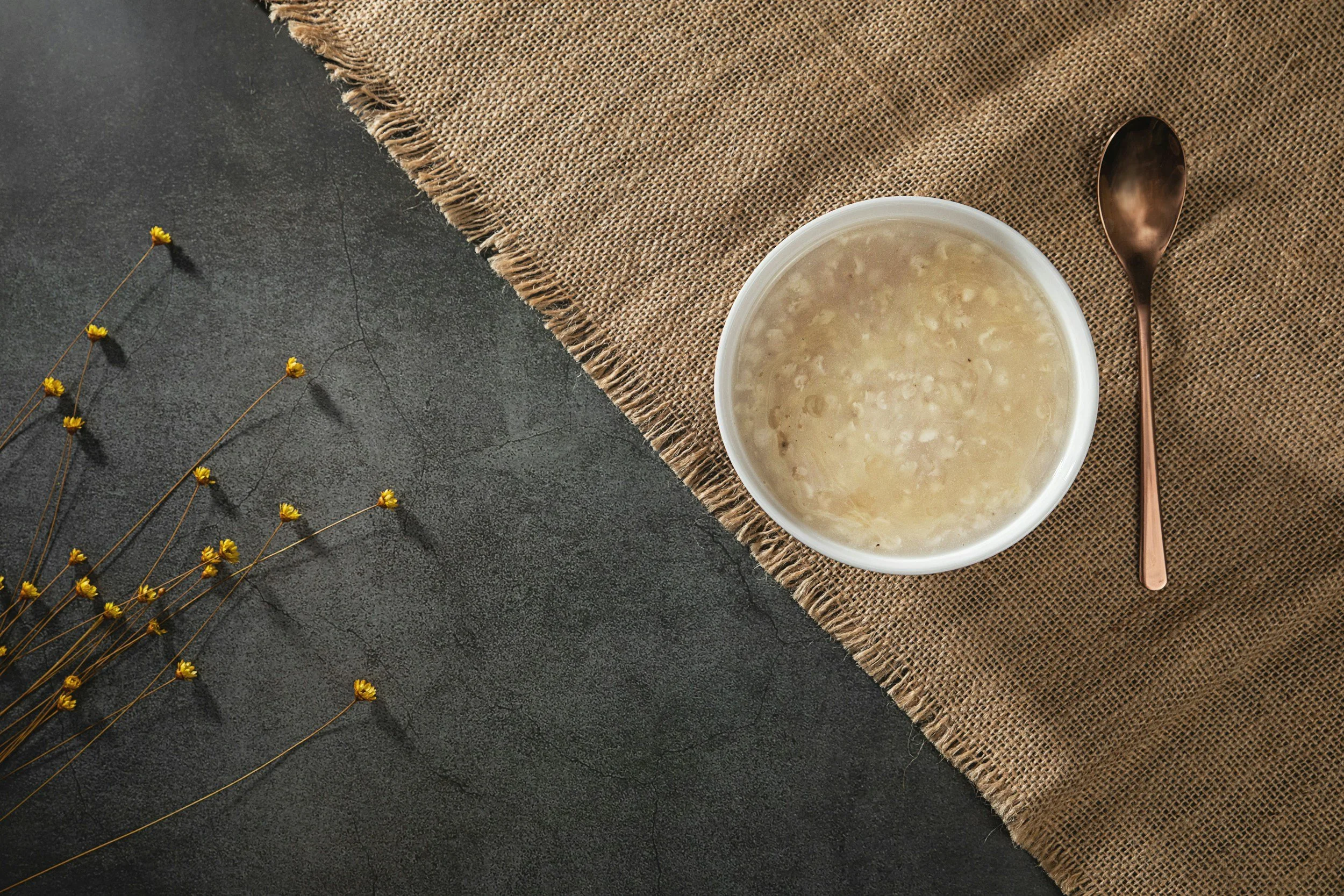
Here’s a wholesome Ayurvedic breakfast recipe designed to help balance the doshas during the winter season (Hemanta Ritu), when Vata can become aggravated due to cold, dry, and windy conditions, and Kapha may also begin to increase due to the damp, heavy qualities of winter. This recipe is grounding, warming, and gently spiced to support digestion (agni) and maintain doshic harmony.

This curry is a soothing dish to serve for those with Vata and Pitta constitutions, new mothers and those recovering/ recuperating / healing… this sweet, heavy and slightly oily curry will comfort, ground and soothe you on an Autumn evening

As we head into Autumn and more indoors-y weather,, there is nothing better than the smell of fresh baked cookies through the home. It’s comforting in all the right ways. But it can be hard to find good recipes that not only taste great but complement the ayurvedic routines we are trying to maintain. Linda Banchek’s Cooking for Life gave me the perfect balance of both with this one.
Nutritious and incredibly tasty, these cookies travel well and are great for dunking. Both Vata and Pitta can eat these sweet, substantial, and slightly salty treats.…Enjoy the aroma!

Packed with fresh vegetables, spices, and herbs, Carrot Sambol not only delights the taste buds but also provides numerous health benefits. Let’s explore how each ingredient contributes to your well-being.

Buckwheat is, despite it’s name, is not a wheat or even a grain but a seed, harvested from a flowering plant. The harvested kernels have excellent culinary and nutritional properties. They offer great bite and texture to salads or as a complex carb side dish, in porridges and soups. They are great for lowering ‘bad’ cholesterol, provide heaps of dietary fibre, and are an excellent source of magnesium, manganese and copper. They are also gluten free!
From an ayurvedic perspective, buckwheat is particularly beneficial for Kapha dosha, as its drying and heating nature balance the cold and wet properties of Kapha. The diuretic property it offers helps to remove excess water in the body - great for water retention, congestion and sluggishness!
For this recipe I used buckwheat flour but you could easily soak the groats / kernels overnight and then blend in water the next day to create smooth paste ready to make into porridge.
Throw in some winter fruit and seed for added flavour and texture (as long as made with plant milk. If using dairy, avoid fruit)
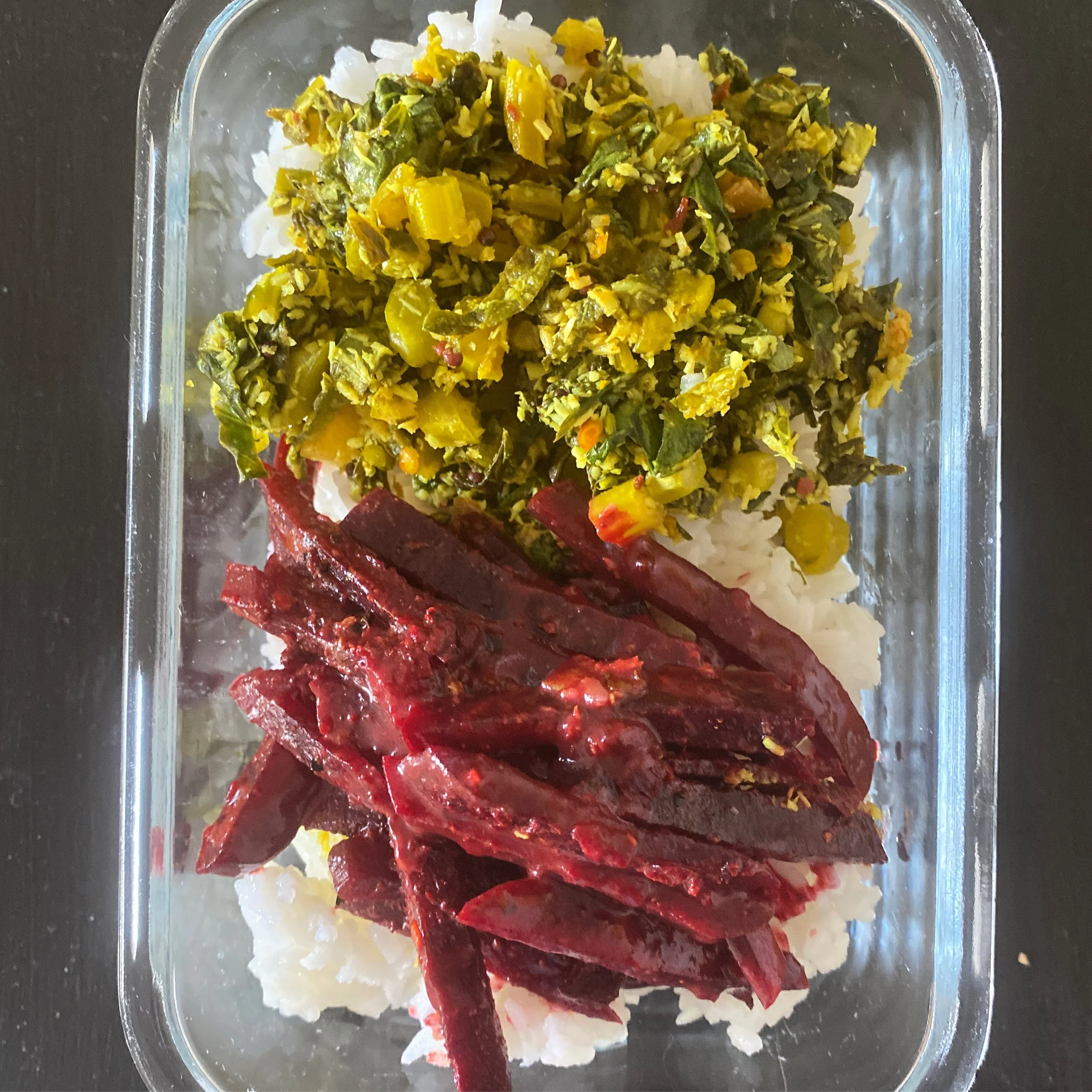
Serve this spicy and earthy curry straight off the stove with warm rice and accompanying veggies and condiments such as a ‘pol’ sambol or a greens mallung. A hit from our last cooking workshop!

Homemade granola with a tropical twist – perfect for breakky or an afternoon snack!
Oats, jaggery or kitul treacle, almonds, raisins, figs and fresh grated coconut toasted until golden and nutty. For spicy sweetness, I added cinnamon powder which also balances kapha and vata dosha with its pungent, warm and spicy qualities.
All wholefoods, so yummy and good for you! Serve with plant milk for Breakky, use as a crunchy topping on desserts, or a health snack on the go..
Use coconut oil in summer but in cold weather, you can use olive or sunflower oil. Consider also using Jaggery as a sweetener in place of sugar or honey. It is the raw, concentrated unrefined juice of sugar cane and comes in solid block form, powder or liquid. It comes both unrefined or washed (semi refined). The unrefined (older, unwashed) jaggery has a cleansing and purifying quality and is warming, which activates digestive enzymes. It balances vata, slightly decreases pitta and in moderation is a tolerable sweetener for kapha dosha too.
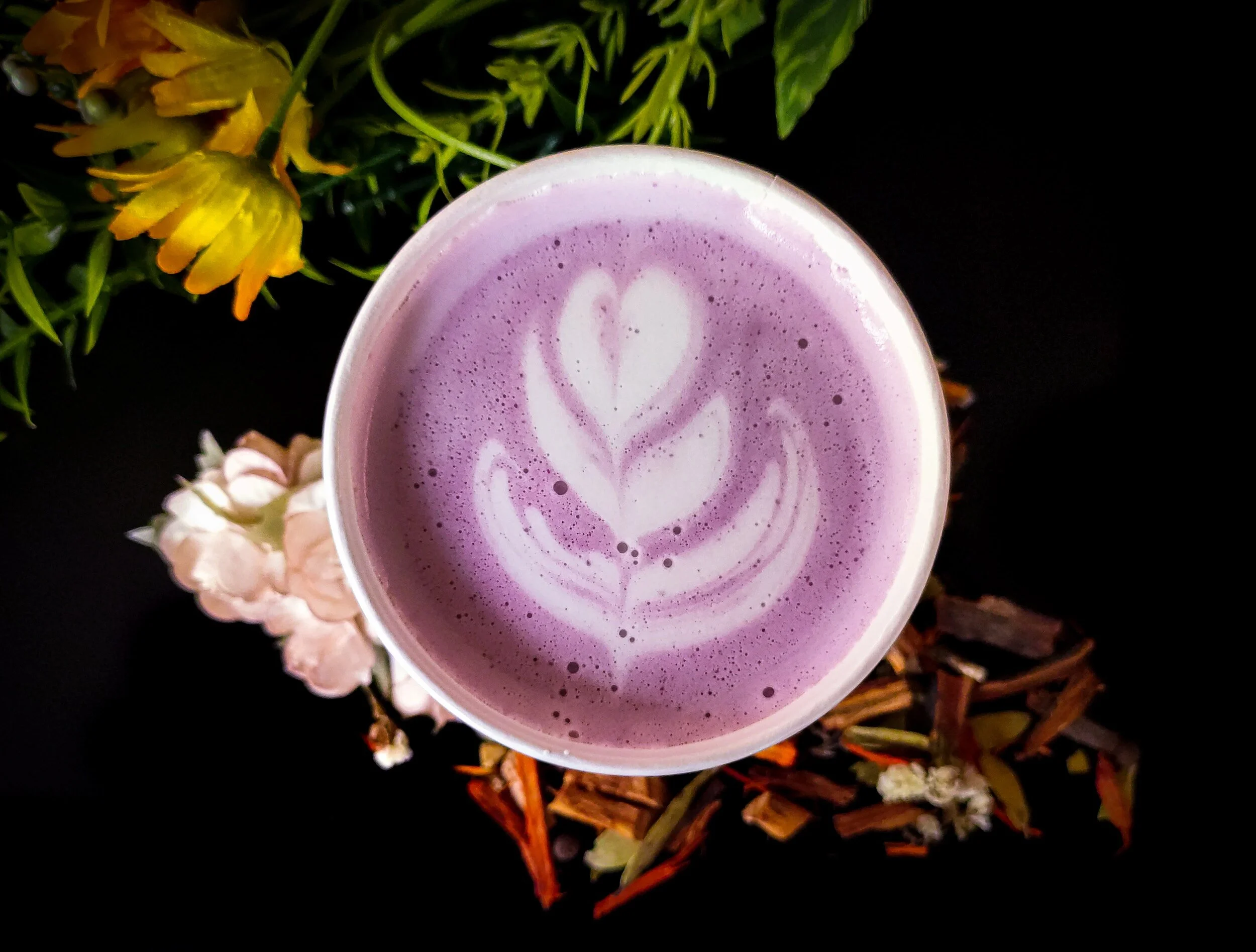
Try this lavender latte instead of a hot chocolate at night when the late night cravings kick in! The chamomile also helps to soothe you to sleep…

This chai contains all of the spices that are balancing, nourishing and healing to the Kapha dosha, such as cinnamon, fennel, star anise, cardamom and more. It can help to balance your digestion, improve circulation and warm you up during a cold morning. Sip your chai while it is hot, breathe in some fresh morning air and take some time for stillness and reflection.
Enjoy with an optional sweetener, such as honey, raw sugar or rice syrup and any plant milk. Dairy can be a bit heavy for the upcoming winter season, especially if you are reducing Kapha dosha, so plant milk is recommended.
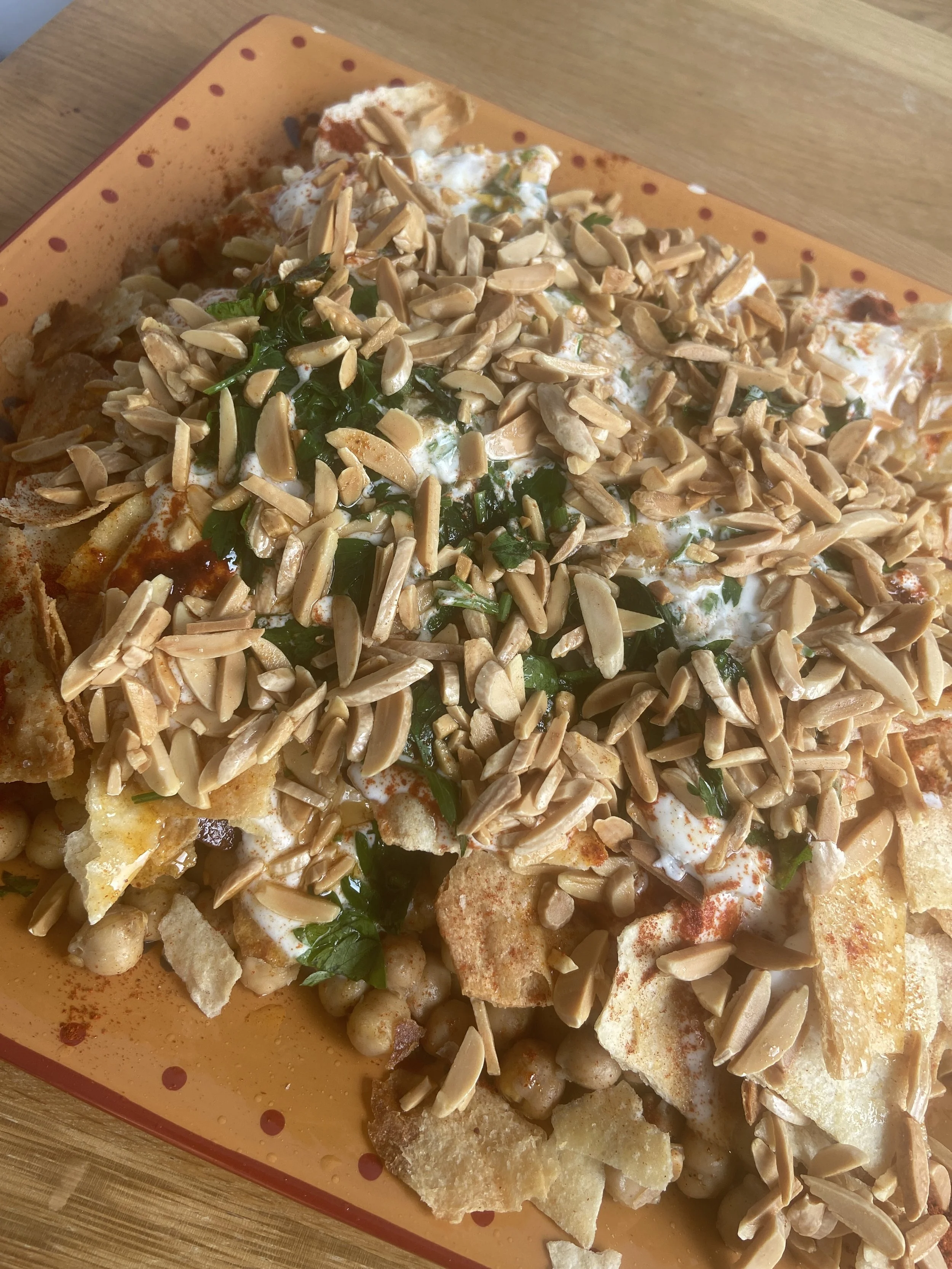
Christmas and other festive times of the year ends up indulgent, with heavy rich food and coloured & flavoured strong drinks and spirits... and while it’s important to let loose and enjoy times like this, a well rounded approach to well- being is to always keep some balance. For instance, you could do this by mixing it up with what you choose to serve or eat.
Meat or poultry is usually big focus on many tables and overdoing it leads to it being hard to digest, blocked up (you know the rest!)… a good way to switch things up would be to add in some flavourful meat free options as a main instead of ‘just a side’.
Here, I made some Lebanese fatteh, with chickpeas, Smokey paprika (not as hot as chilli but still a good kick!), fresh parsley, crispy pitta, garlic tahini yoghurt and almonds toasted in butter going all the way through the dish. The yoghurt brings some sourness for digestion, the butter is sweet and oleating yet balanced by the chickpeas. Recipe is below.

We made these gorgeous bliss balls for a pop up shop we hosted last year and they were a hit!
They are great blend of cacaco (heating), oat (dry) balanced with sattvic rose petals and soothing and nourishing coconut oil, fig, almond meal. In this season of hot and dry and then cold and wet days this is a balanced in-betweener.
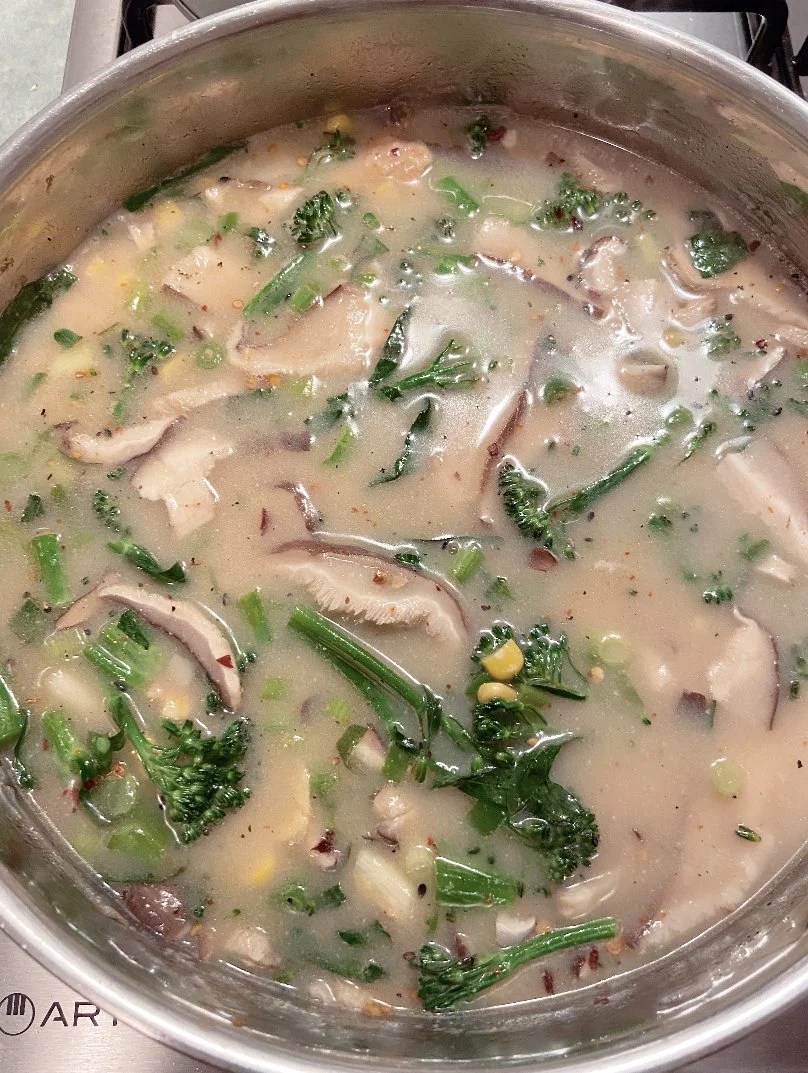
This warming, umami soup is a nourishing and easy to make ahead soup for dinners. The greens, soba (buckwheat), and ginger are great for kapha balancing, rounded off with sesame oil, black pepper and miso broth for an umami yumminess.
Simple, wholesome, nourishing and warming!

Switching up your coffee or tea and swapping it with organic cacao is a great way to boost immunity, reduce inflammation and give you a radiant glow.
Being Sri Lankan I can’t help but reach for a cup of black tea with milk and sugar at some point in the day. It’s just a part of our way :) More recently however, and especially in winter, I have started swapping every other day or so with this hot mug of cacao goodness that is super healing and good for you.

Even if you are on a diet to pacify a specific dosha, it is still good to include all six tastes (sweet, salty, sour, astringent, bitter, and pungent). Focus on the ones related to the specific dosha you are trying to balance and take less of the other ones. In Ayurveda, understanding the tastes and including them in proportion to what elements you are balancing within your constitution is the key to unlocking nature’s healing power through diet.

Buckwheat or kuttu (if buying at an Indian / Sri Lankan shop) is naturally gluten free, and is a good source of fibre. It helps to dry and warm up the heavy and wet qualities of kapha dosha. It also has a diuretic quality which helps to remove excess water from the body - helpful if there is water retention and sluggishness. Use in moderation if you feel heaty pitta or dry erratic vata predominant in your system - try balancing with ghee for vata or cooking in coconut milk for pitta

A new discovery on how to cook lentils + rice (plus ghee, pine nuts, onions, raisins) and spiced with Baharat, made of beautifully warming black pepper, cardamom, cloves, cumin, nutmeg, coriander, paprika - perfect for cold days and yummy!
Although it is a hearty mix of lentils and rice, it is not a ‘cleansing’ food like kitchari because it has lots of fried onions in the mix, however it is certainly still nourishing and wholesome so is excellent to have for lunch or dinner with some salad and spiced yoghurt or raita. A great option to take to a party as well!

Try this quick, wholesome & yummy oat slice recipe for breakky or as a snack instead of reaching for the unhealthies. Can be prepped in 5 -10 minutes, baked in 20 - 25 minutes, tops. Use stewed apples instead of banana in colder months.

Try this roast veggie dish with some herbed couscous on a cold winter night for wholesome yummy comfort. The sweetness of the veg is balanced with white pepper and the warmth of the cinnamon and 5 spice blend making it balanced and easy to digest in kapha dominant winter months. Takes about 10 min to prep and 25-30 min to bake, tops!

The traditional decoction is called “Paspanguwa” consisting of five plants. These are boiled in water to produce a decoction (‘Peyawa’). If you cant get your hands on Paspanguwa (check any local Indian / Sri Lankan store) or are not able to find all of the ingredients used in the traditional version, some of the essential ones are sure to be in your kitchen so give it a go if needed!
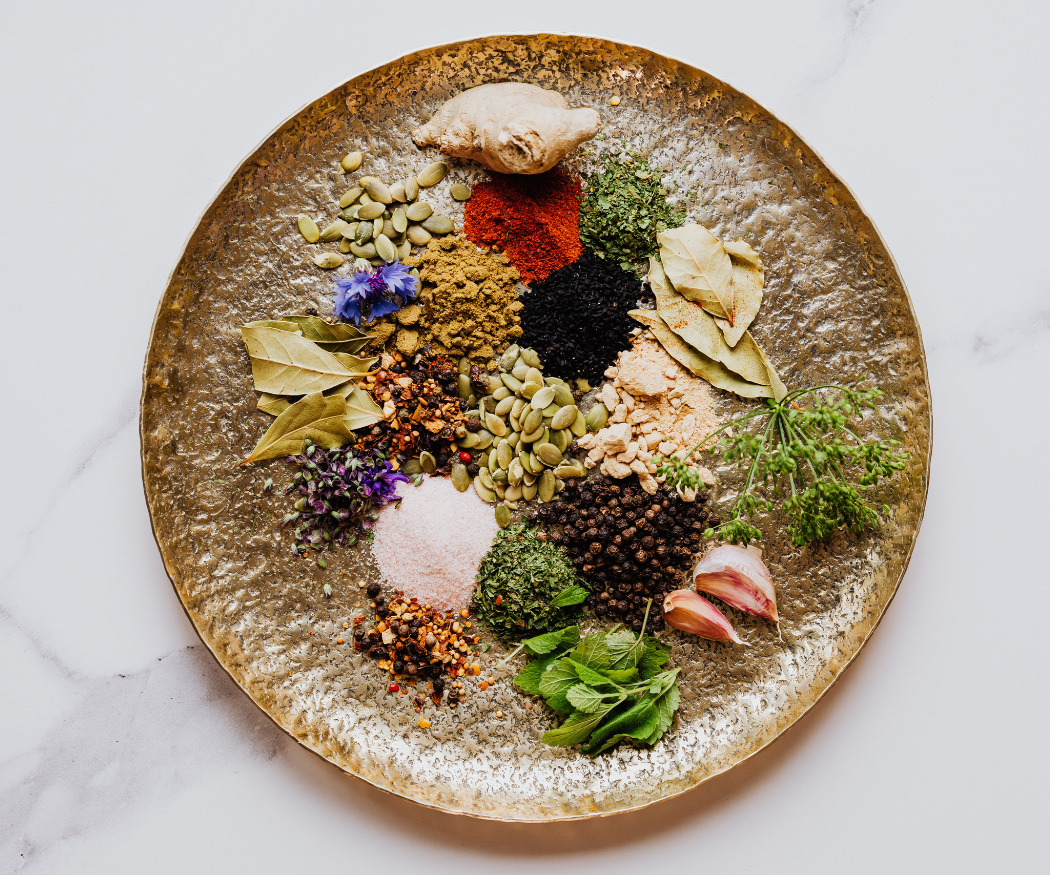
As the colder months settle in, Ayurveda encourages us to nourish the body with warming, seasonal foods that support digestion, strengthen immunity and promote balance. Discover seven Ayurvedic winter superfoods-from fresh ginger and turmeric to tulsi and root vegetables—that can help you stay healthy, energised and resilient throughout the season.

As we move into March, we begin the seasonal transition into early autumn. In Ayurveda, this time of year marks the gradual shift toward Vata dosha, the energy associated with movement, dryness and change.
While the warmth of summer may still linger, the environment is slowly becoming cooler, lighter and drier, qualities that can increase Vata in the body. When Vata becomes elevated, people may notice symptoms such as irregular digestion, disturbed sleep, increased anxiety, dry skin or fluctuating energy.
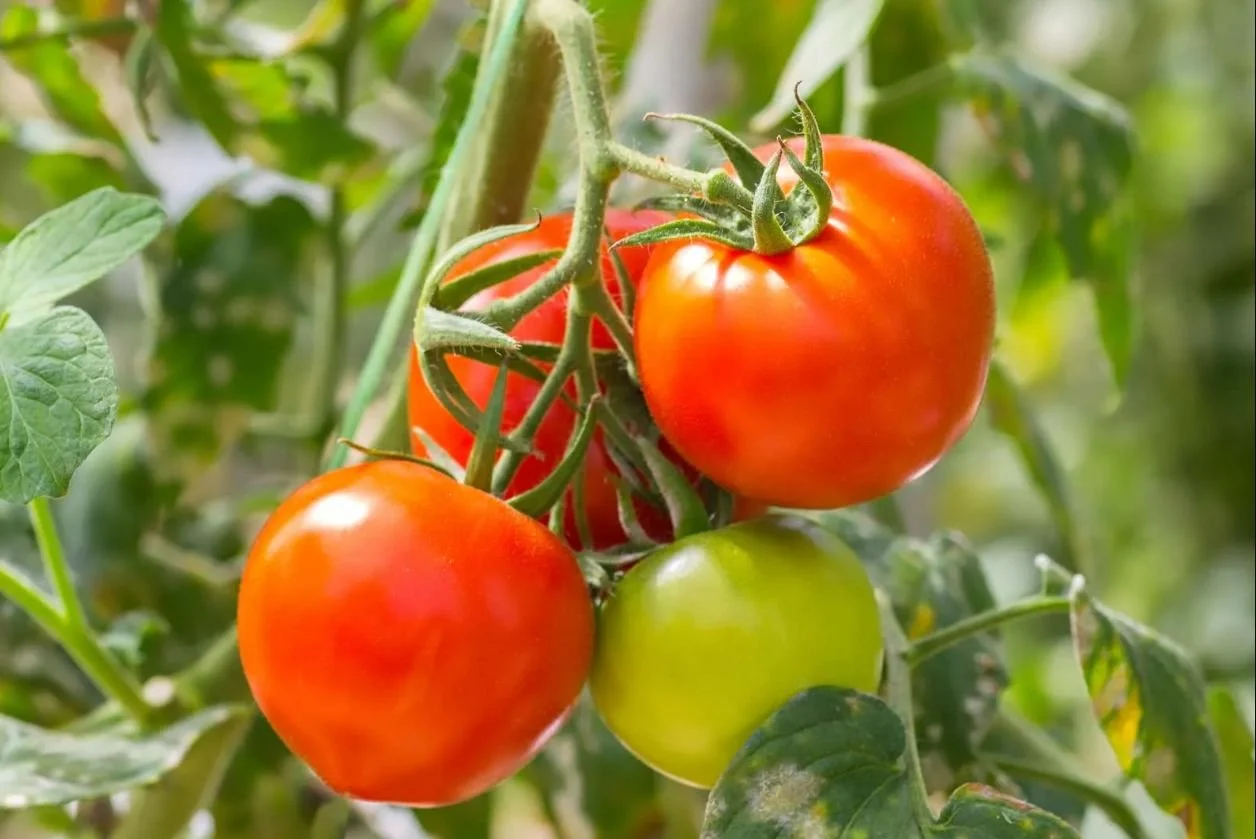
These luscious, juicy, sweet and tart fruits are aggravating to pitta dosha that can flare up in heat environments and summer yet are a hugely popular food in many regions with ‘hot’ climates including South Asia, the Middle East, Africa and the Mediterranean.

Here, you’ll learn the Ayurvedic principles that keep digestion strong, the habits that protect your energy, and easy practices you can integrate into everyday life. Use this as a gentle roadmap to stay balanced, mindful and well-nourished throughout the holidays.

In Ayurveda, spring is the season of Kapha — a time when heaviness, sluggishness, and congestion can often build up in the body and mind. Yoga can be a gentle way to restore balance, helping us feel lighter, clearer, and more open.
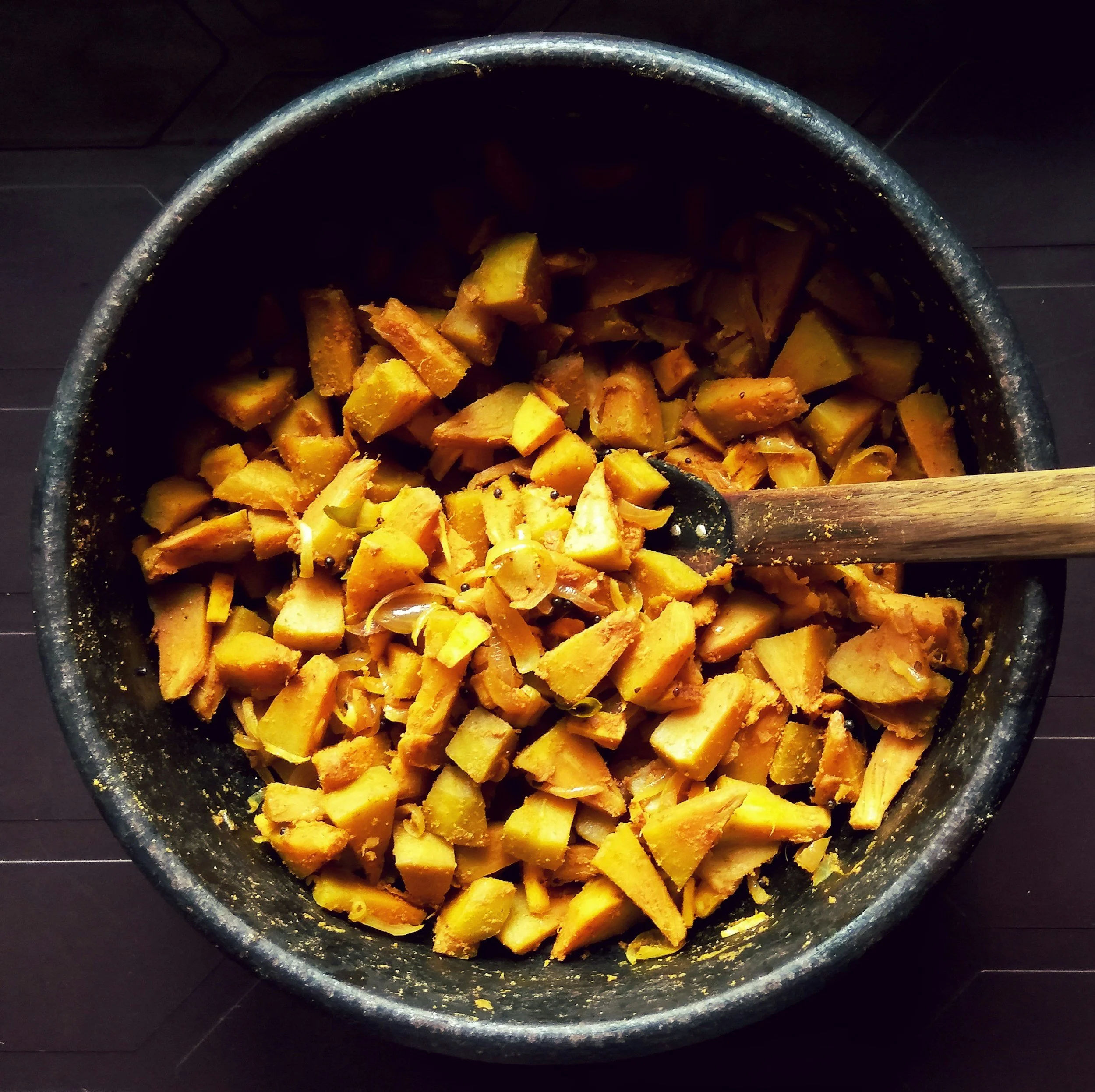
In Ayurveda, vibrant health begins with a strong Agni (digestive fire) and abundant Ojas (vital essence or immunity). These two forces determine how well we digest food, eliminate toxins, and maintain mental and physical resilience.
Together, Agni and Ojas form the foundation of your health in Ayurveda. When Agni is strong, Ojas can be built and sustained. One of the best ways that Agni and Ojas can be supported and nourished is through the use of simple and wholesome foods.
Here are some of our top choices and favourite Ayurvedic superfoods that support both Agni and Ojas…

Known in Sanskrit as Kavala or Gandusha, oil pulling works on the basis that our tongue is linked to vital organs that are impacted by this daily practice. According to Ayurveda detoxing the mouth has a flow on positive effect on heart health, kidneys, lungs and your digestive system.

The south coast of Sri Lanka is a sanctuary where nature, culture, and wellness converge in a tranquil embrace. Bathed in golden sunlight and kissed by the azure waves of the Indian Ocean, this region offers an idyllic escape for those seeking peace and rejuvenation. The landscape is a painter’s dream—lush, tropical jungles spill into pristine beaches, with palm trees swaying in the warm breeze and the scent of saltwater and jasmine filling the air. In this serene paradise, the rhythm of daily life slows down, and the stresses of the world fade away. The sound of the ocean’s gentle waves crashing on the shore provides the perfect soundtrack to moments of introspection, yoga, and meditation. Quiet coves and secluded beaches like those in Hikkaduwa, Mirissa and Tangalle, invite relaxation, where you can bask in the sun, take a leisurely swim, or simply listen to the symphony of nature…

So here I was, sitting on our rooftop at home in Sri Lanka, and took a longer practice starting with the stretching of the joints and some essential stretches that make a difference to the bigger movements—the peak pose movements that I haven’t really got to yet.

Keeping the doshas balanced during and after long airplane flights can be tricky, as we sit in tightly packed and poorly ventilated, cold and dry spaces for extended periods, moving through space. This can aggravate our Vata dosha made up of the air and space elements that are also cold, dry, rough, mobile and erratic; inviting insomnia, dehydration, constipation, tiredness and jet lag into our lives.
The ayurvedic way can be useful in rebalancing this, making travelling easier on both the mind and body. Here are some travel ideas from a recent trip with a long flight to and from Sri Lanka to Melbourne.

In the realms of Yoga and Ayurveda, the concept of the five koshas provides a profound framework for understanding human existence and achieving holistic well-being.
Koshas, often described as “sheaths” or “layers” represent different aspects of our existence or ‘being’, from the physical body (densest) to the innermost (subtlest) essence of the self. By understanding and nurturing these koshas, we can achieve a balanced and fulfilling life.
Let’s delve into each kosha and explore practical ways to integrate this wisdom into our daily lives.

Recently in a group discussion on the subject of mindfulness and meditation, we explored the effects of meditation on brain activity and how that impacts our daily lives, emotional and mental balance as well as overall wellbeing.
There are various ways that the brain is transformed in meditation, each distinct in activity; fluctuating with our actions and feelings. In this thought-piece I like to refer to the ‘path’ to meditation as a stepped process: starting with dharana (focused concentration, mindfulness), then dhyana (meditation, contemplative stillness) leading to samadhi (expansion, absorption). When practiced correctly, this process can transform the frequency and activity of the brain from higher to lower frequencies. This can profoundly impact how we experience life, by aligning individual with universal consciousness.

So many people around the world today feel tired and stressed from busy days and lives. While we might think that getting more sleep is the solution, true rest involves more than just sleep.

The Yogic prayer before eating, sometimes referred to as "Brahmarpranam” is a practice that acknowledges the interconnectedness of all beings. By expressing gratitude for the food, it helps to mindfully practice the process of eating - and creates an awareness of the energy and effort that has gone towards to bringing sustenance and meals to the table.

Here is a sample menu for a 3 day cleanse, that I usually follow and also recommend to others….

An Abhyanga Session is a distinct form of bodywork, and it isn't quite the same as a regular massage, even though some might refer to it as an "oil massage." It doesn't focus solely on working out muscle knots but also involves long, smooth, deep strokes along with potent oils to boost energy circulation and help the body regain vitality, easing out soreness, boosting circulation for greater healing. This technique is perfect for athletes, those sore and tired from long desk hours and especially for postpartum mamas.

Evolution stems from the union and realisation of purusha and prakriti from a state of primordial stillness
Purusha = Masculine energy; passive awareness, the silent observer, the witness
Prakriti = Feminine Energy; unmanifested seed holding the potential for all of creation, all the attributes of experience.
Prakriti is the innate seed of potential + Purusha for the seed to be opened.
Masculine = doing, seeing. Feminine = innate qualities, all potential lies within.
Many of us today exercise a stronger dominance of the masculine, the doing. When you are stuck in the overactive masculine, your worth then becomes linked to how much you achieve.
To validate this worth we need to keep doing, proving to feel satisfied, enough.
Activation of the feminine is simply remembering your worth is INNATE.
This looks like connecting with your body by listening to it, slowing down, staying receptive to support, connection, love, flow, trusting. It’s open and flowing, non-linear.

Tiny drops of water, make a mighty ocean. Allow the power within each of us to create the ocean of humanity that is so very needed to heal and save every baby, child, woman, man, the earth, flora and fauna being destroyed as we speak.

A useful non-invasive therapeutic approach to moderating this cycle is Psychoneuroimmunology (PNI) which is a discipline that has evolved in the last 40 years, studying the immune system, the endocrine system, and the central and peripheral nervous systems. It looks at links and interactions between thoughts, cognitions, feelings, emotional states and ability to remain healthy.
It is an excellent treatment modality for managing chronic conditions such as mood disorders, pain, sleep disorders, inflammatory disorders and trauma. It centers on relaxation based therapies such as diaphragmatic breathing and specific guided imagery work to decrease and help manage chronic conditions over time.
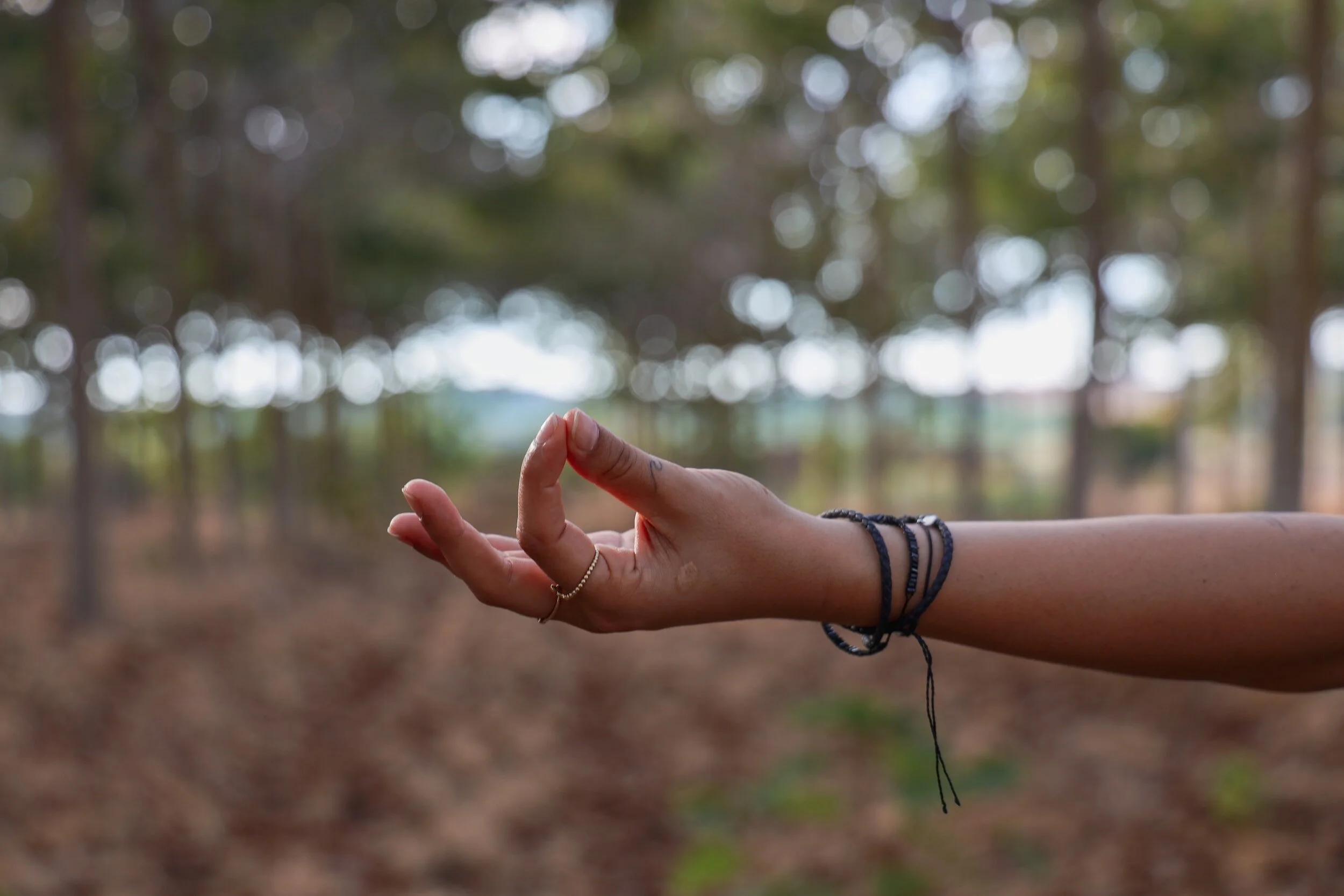
Filling up your cup daily, helps you make sure you have more to give both yourself and your loved ones consistently and with ease. Fitting self care and pauses into the day can be tricky - when / how / what to do becomes all too much and a lot gets put off in overwhelm!
Here’s a handy set of meditation and mindfulness prompts to save and keep on hand for when you can’t do the thinking / can’t make it to a class / only have a few minutes. I’ve broken it into 2 occasions: quick and easy sessions and deeper, slower sessions for when you have TIME.
Food consumption today goes beyond pure sustenance and nourishment – it has become a vehicle for connection, socialising, activity and significantly – emotional regulation.
Nourishment is one of the first and key ways that humans learn to feel cared for and held. It brings back memories of old times, family, friends, culture, tradition… it gives a sense of belonging, safety, comfort.
However, as we move through the ‘waves’ and cycles of life it is easy to start attaching to food for safety, comfort and often for distraction. This seeking of comfort leads to over attachment, sluggishness, suppression of the real issues. It leads to a low and overburdened agni (digestive fire), causing excessive and then imbalanced kapha dosha (earth, water elements) and beyond this it leads to the formation of ama (toxins) from undigested food and also emotional matter.

We are pleased to announce that we now offer Remedial Massage Services along side our traditional Ayurvedic Massage services.
Introducing to you, the incredibly experienced Eduard Elkin has over a decade of knowledge and successes working as a remedial massage therapist, healing people of all ages and activity levels, including working at the Prahran football club.
Eduard specialises in treating chronic musculoskeletal pain and has a very high success rate. Focusing on manipulating key trigger points, he is able to locate and treat the epicentre of the problem providing immediate pain relief for muscles and joints.

To help prepare for Winter, we are offering a 10% discount on Ayurvedic consultations and Massage focused on ‘kapha’ balancing - think warming, invigorating, uplifting massage.

The physiological sigh – a mindful way of sighing a few times each day to reduce symptoms of stress in a few minutes.
It in involves 2 consecutive inhales and a long steady exhale – this causes these little sacks of air in the lungs (alveoli) to reinflate with air, increasing the surface area of the lungs and removing carbon dioxide from the body more effectively. This brings about the feeling of calm, peace and relaxation.
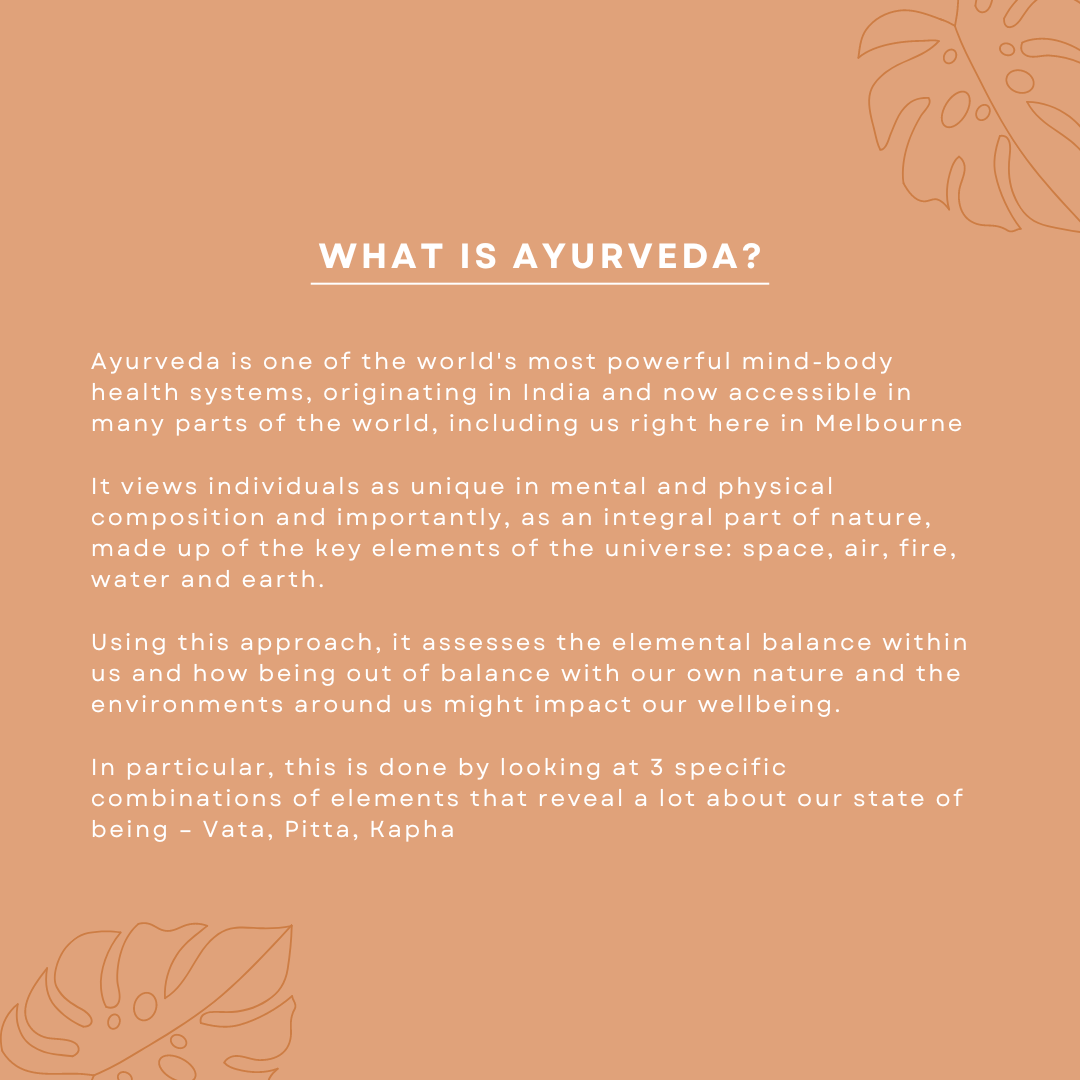
Vata follows the principle of movement and is a by-product of space and air. Similar to air, it is cold, light, dry, rough and mobile. It governs movement, respiration, the heart and nervous system.
Pitta is the by-product of fire and water. Similar to fire it is hot, light, dry, sharp and penetrating. Manages metabolism, our digestive system and emotions.
Kapha is the stabilising force and is a by-product of earth and water. Similar to earth it is heavy, wet, cold, soft and smooth. It manages our bodily immunity, vitality, hydration and strength.
Another element that is key is ‘ama’ or a toxic by-product of undigested physical and energetic matter.
Keeping the doshas balanced during and after long airplane flights can be tricky, as we sit in tightly packed and poorly ventilated, cold and dry spaces for extended periods, moving through space. This can aggravate our Vata dosha made up of the air and space elements that are also cold, dry, rough, mobile and erratic; inviting insomnia, dehydration, constipation, tiredness and jet lag into our lives.
The ayurvedic way can be useful in rebalancing this, making travelling easier on both the mind and body. Here are some travel ideas from a recent trip with a long flight to and from Sri Lanka to Melbourne.

Combining kriyas with classic hatha asana (posture) and pranayama (breath)
This asana here is Ardha Baddha Padmottanasana (Half Bound Lotus Standing Forward Bend) that stretches the muscles in the lower back, hip, hamstrings, and shoulders. It is derived from the Sanskrit words Ardha=half, Baddha=bound, Padma=lotus, Uttana=intense stretch, and asana=pose. This is an intense forward bend pose that is in the combination of Ardha Padmasana and Uttanasana. To build up to it, start to practice half lotus and standing forward bends and then begin to combine them, starting by wrapping the arm around the body before progressing to reaching for the foot. A great way to develop balance, stability and flexibility. It activates the solar plexus chakra, and stimulates the ajna and crown chakras due to the inversion.
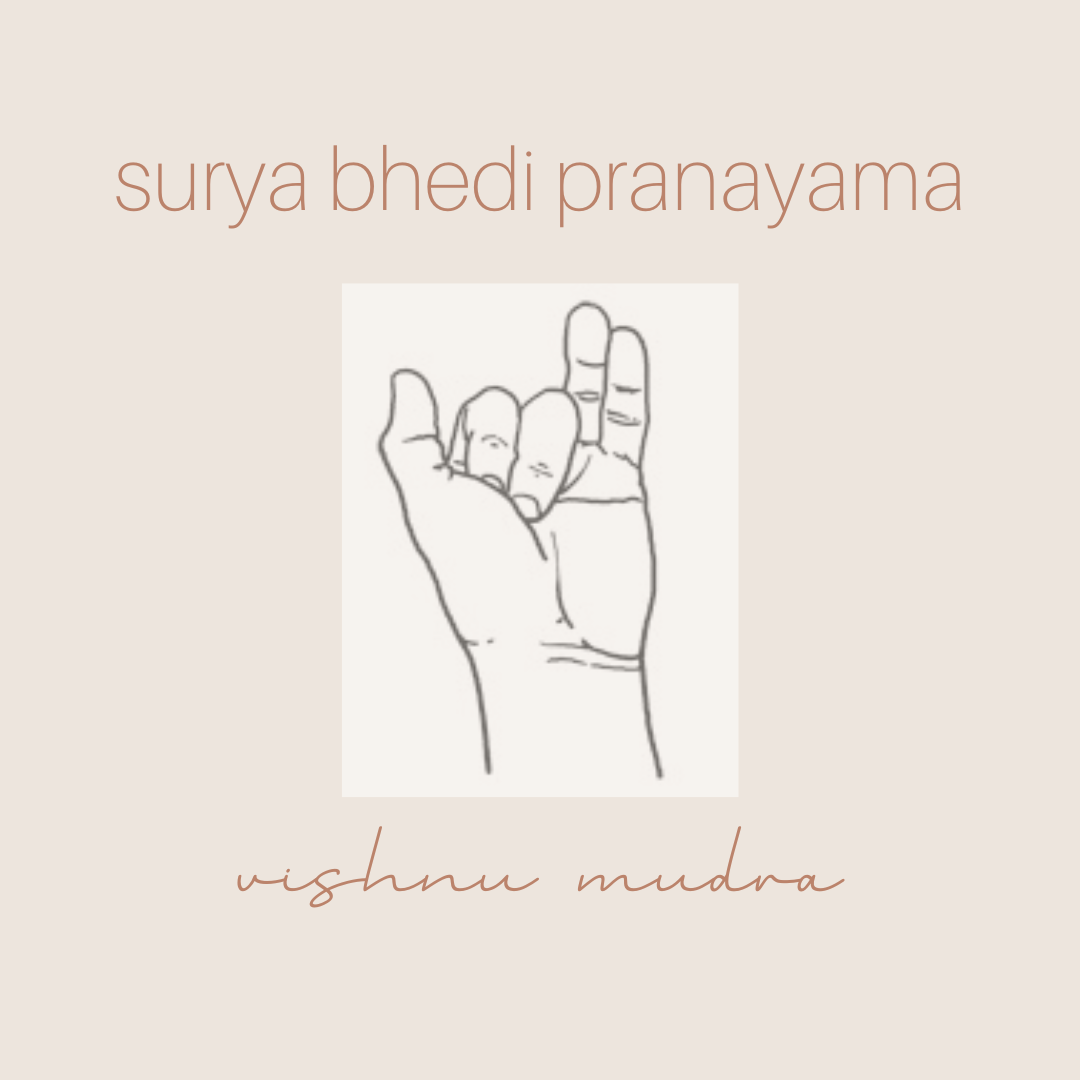
According to the Hatha yoga pradipika, Surya bhedi pranayama or right nostril breathing is one of the most beneficial pranayama (breath work) techniques in activating and energising the body. In Ayurveda too, this pranayama technique is used to dispel a kapha vitiation leading to lethargy, sluggishness, low energy, low motivation and a feeling of dullness.
The focus of this pranayama technique is to activate the surya or ‘sun’ element in your body, via the right nostril and ‘Pingala’ nadi which aligns with the vitality of the sun.

This past long weekend brought with it a great opportunity to rest, refresh and rejuvenate. I used this time to take a break from the hustle and bustle of my everyday life by nourishing my hair and skin; practicing some much needed self-care using incredible Ayuverdic herbs and simple kitchen ingredients.
Practicing acts of care like this are truly essential to come back to ourselves and honour the temples that are our bodies.
For a scalp treatment I used a blend of amla powder, shatavari powder and gingelly oil.
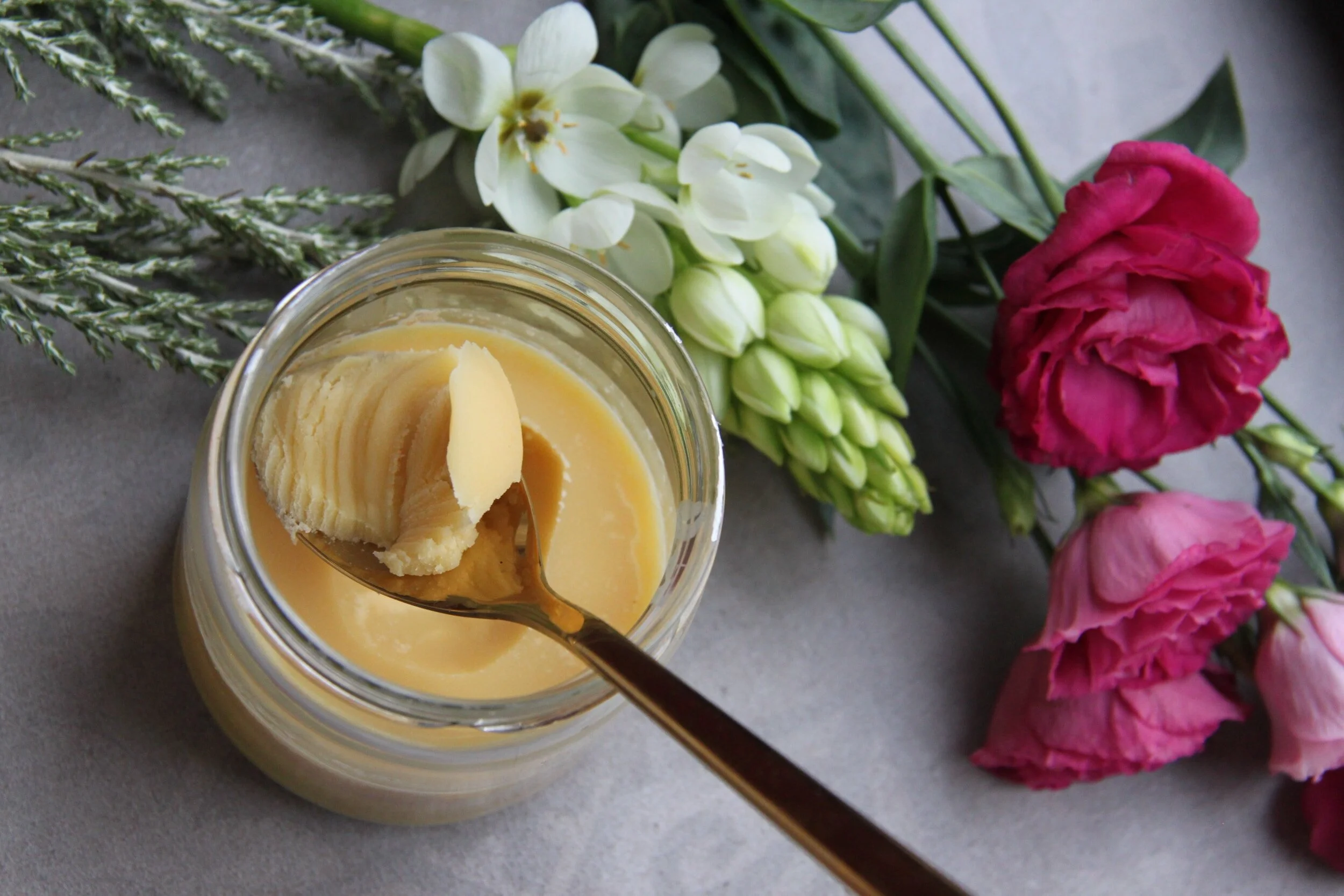
Shopping around for moisturiser and I looked at the labels of some products on shelves. Shocked to find that all, even the ’sensitive’ friendly ones have a range of parabens (synthetic preservatives), Mineral Oil, Paraffin, and Petrolatum which coat the skin like a film allowing nothing in or out, fragrances to mask the chemical smells.
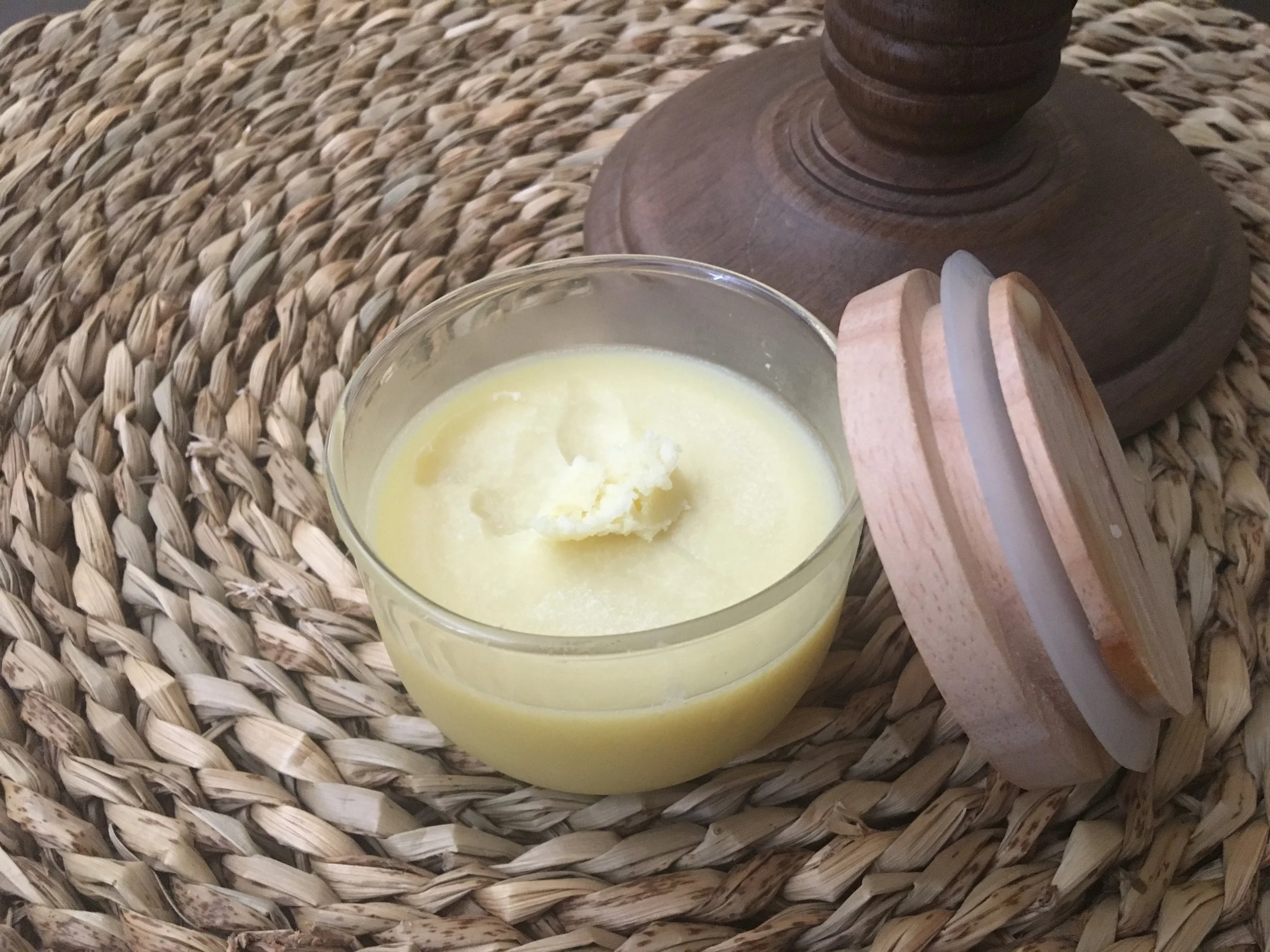
Try our cleansing balm / all-purpose balm / make up remover creation. A nourishing base of Shea and cocoa butter blended with essential oils like rose geranium and bergamot.
The ancient healing science of Ayurveda prescribes that the level of ‘roopam’ (radiance) one exhibits is a result of the health of the body and the mind. The health of our skin is specifically reflected and nourished by blood tissue (rakta dhatu) which in turn is nourished by plasma (rasa dhatu). Therefore, glowing & healthy skin is the result of good quality plasma and blood tissue supported by robust digestion, effective elimination of waste, and healthy tissue formation along with emotional stability and contentment in the heart, mind and senses.
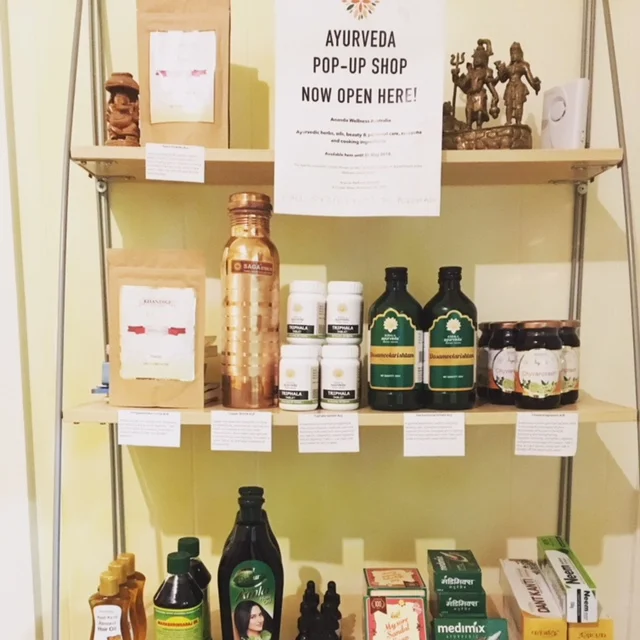
If you’re interested in trying more natural products, ayurvedic rasayana and herbs, have a look at our little pop up. We’ve curated a collection of the most popular tools and salves used in kitchens, homes and in personal care so everyone can try bringing yoga and ayurveda into their daily lives.
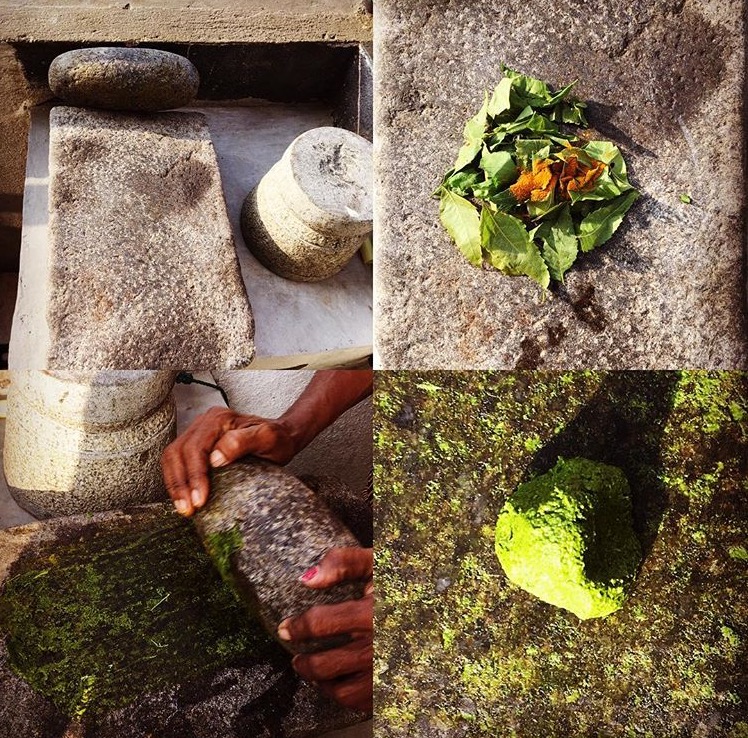
Neem leaf is renowned for its healing, anti-bacterial, anti-fungal and clarifying properties. Kasthuri manjal is great for improving complexion, as well as clarifying, tightening pores and brightening the skin. It differs from other variety of turmeric as it does not stain the skin and is more fragrant. Combining the two as a face mask is a great salve for soothing, cooling, clarifying the skin and combating acne and pimples.
This mask can easily be made at home or book in for an ayurvedic facial to have this mask specially prepared and used during the treatment.

Our ayurvedic beauty routines workshops have been very popular this year. To share the love, here’s a lovely and cooling cucumber mask to cleanse, refresh, nourish and cool down your skin after sun exposure..
Ingredients:
1 Cucumber
2 tbsp honey
3 tbsp milk
A breakfast favourite, this bowl of green goodness is great for the gut, skin, immune system and is yummy to boot!
The bitter green gotukola balances out any internal heat and inflammation (not to mention chlorophyll/ greens in general being detoxifying, improving digestive health and oxidation), the coconut milk is nourishing and strengthening to the body, the curry leaves balance blood sugar, support digestion treating constipation, gassiness and/or diarrhea, great for hair, skin, eye sight while garlic is great for immunity, high blood pressure, cholestorol and more…. POWER PACKED!