Holistic wellness is about mind-body-community wellness. Explore our thought pieces on a number of important lifestyle topics that we hope may spark some inspiration on your journey.
Tomatoes & Pitta in Ayurveda
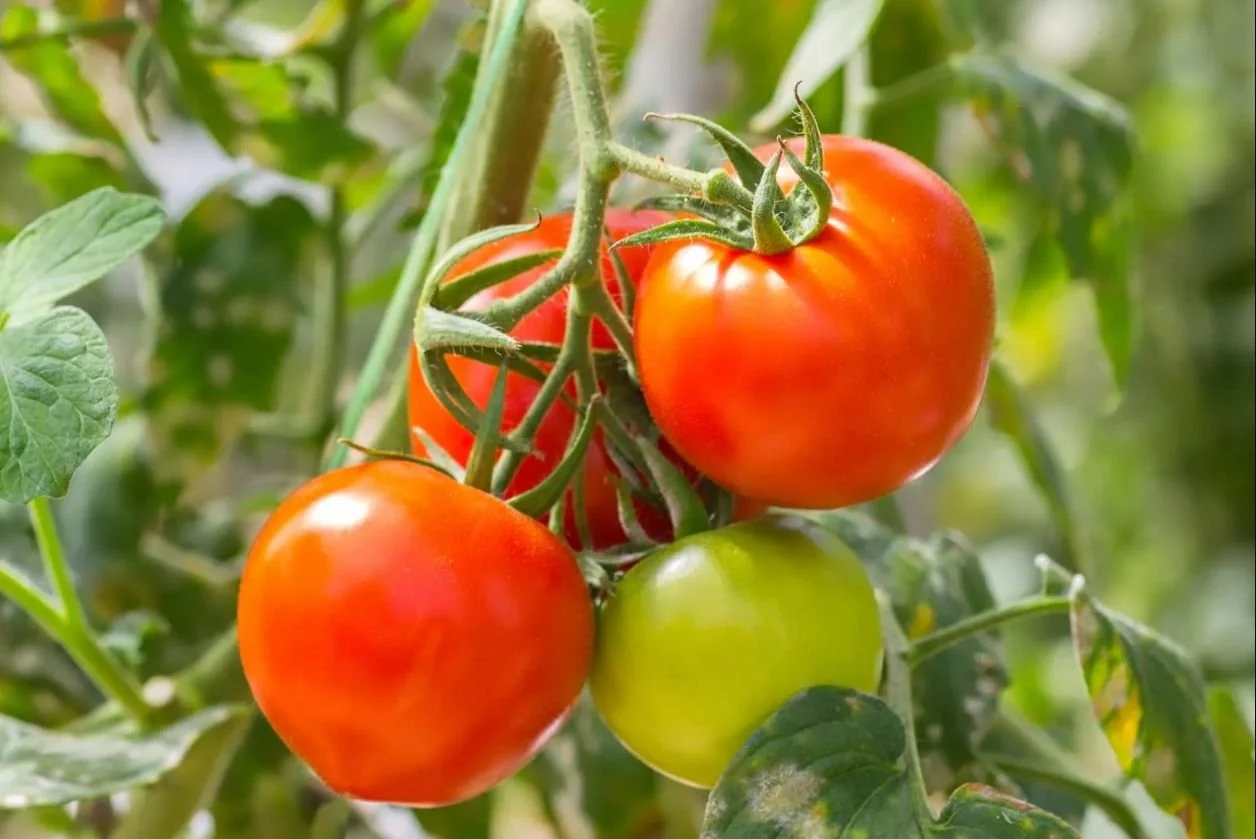
A question we often have come up at clinic especially around warmer months or when someone is balancing pitta dosha is around summer foods and pitta, in particular tomatoes! These luscious, juicy, sweet and tart fruits are aggravating to pitta dosha that can flare up in heat environments and summer yet are a hugely popular food in many regions with ‘hot’ climates including South Asia, the Middle East, Africa and the Mediterranean. Why and how is this so if tomatoes ‘aggravate’ pitta and heat?
In this article we aim to explore why that is, not through rigid dietary rules, but through Ayurvedic logic that honours individuality, environment and context. Whether you’re curious about how digestion works, how food influences your internal balance, or how traditional cultures approached eating long before modern diet trends, this perspective offers a more grounded and compassionate way to understand food.
Ayurveda invites us to see food as more than nutrients on a plate. It views eating as part of an ongoing relationship between our body, mind, environment and daily rhythms. In a culture filled with strict food rules and “good versus bad” labels, tomatoes often get a mixed reputation, especially when it comes to pitta dosha.
Essentially: Tomatoes aren’t universally bad.
In Ayurveda, tomatoes are understood to have sour, slightly sweet, heating and acidic qualities. Because of this, they can aggravate pitta when it is already elevated. This might show up as heat in the body, inflammation, acidity, skin flare-ups, irritability or digestive discomfort. However, this doesn’t mean everyone in a warm climate needs to avoid tomatoes completely.
Ayurveda always looks at the bigger picture. It considers your individual constitution (prakriti), your current state of imbalance (vikriti), the climate and season, and how a food is prepared and combined. It is never just about the ingredient on its own, but how that ingredient interacts with the whole person and their environment.
When people say, “But people in countries like India eat tomatoes all the time,” Ayurveda would agree and also explain why this works for them. People who are from the warmer climates such as India, Sri Lanka as well as Italy, Greece, Spain, Africa and some Middle Eastern nations tend to develop strong digestive fire, known as agni. They may have naturally higher pitta, but often with better regulation. Consider how tomatoes are traditionally eaten in those cultures. They are usually cooked slowly, which reduces their acidity, and in the Mediterranean and Middle East, often combined with olive oil, which has a grounding and soothing effect. They are paired with digestive herbs like basil, oregano, parsley, coriander and balanced with grains, legumes or bitter greens. From an Ayurvedic perspective, it’s not the tomato itself that is the issue, it’s the context in which it’s eaten.
Living in a hot climate also doesn’t automatically mean someone has excess pitta internally. Traditionally, people in warm regions rise early, rest during the hottest part of the day, eat their main meal when digestion is strongest, avoid constant snacking, and stay well hydrated. These habits help regulate internal heat.
Regardless of where you are, taking away from these habits through modern living can often do the opposite. Artificial heating and cooling, coffee and alcohol, late nights, emotional stress and constant screen exposure all increase internal heat in ways that have little to do with the weather outside. Importantly, this is less about WHERE they are eating it but if it is suitable to their bodies - if someone is imbalanced in their pitta then the recommendation would be to avoid pitta aggravating foods - like tomatoes. For a person already experiencing inflammation, reflux, acne, burnout or chronic stress, tomatoes may feel much more aggravating. The combination of dehydration, caffeine, irregular meals, poor sleep and emotional pressure creates a very different internal environment than that of someone living in tune with their own nature and the world around them, with a balanced body and mind.
This is what Ayurveda would describe as aggravated or pathological pitta and in this state, tomatoes can easily add fuel to the fire.
Important things to consider for someone with a pitta imbalance, tomatoes may worsen symptoms during summer or times of high stress. They are often better tolerated in cooler seasons, when cooked rather than raw, and when used in moderate amounts with supportive spices and ingredients. Ayurveda rarely says “never.” Instead, it gently asks: When, how, and for whom?
Tomatoes aren’t always bad, they simply become challenging when pitta is already overloaded. South Asian, Mediterranean and similar cultures naturally protect balance by eating with awareness, respecting digestive rhythms, living seasonally and combining foods wisely. When that lifestyle context is removed, even traditionally balanced foods can start to create imbalance.
A gentle reminder: If you’re unsure whether certain foods are supporting or aggravating your system, Ayurveda encourages curiosity rather than restriction. Small adjustments in timing, preparation and quantity can make a significant difference.
If you’d like personalised guidance on understanding your constitution, digestion or current imbalances, our team at Ananda Wellness Australia is here to support you. An Ayurvedic consultation can help you make sense of your body’s signals and create sustainable, nourishing habits that work with, not against, your natural balance.